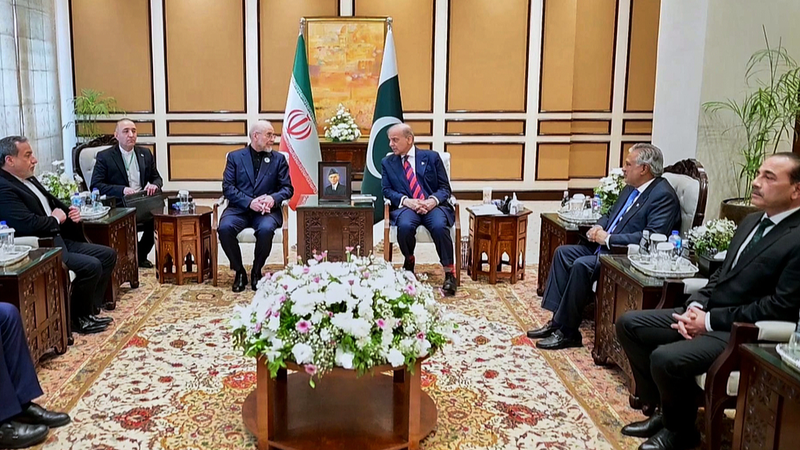
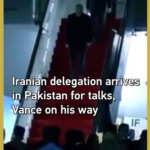
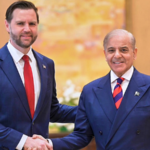
Diplomats from the US and Iran convened in Islamabad this week for high-stakes negotiations aimed at stabilizing the Middle East, with Pakistan's Prime Minister Shehbaz Sharif mediating discussions. The talks, which began on April 9, 2026, follow months of escalating tensions and mark the first direct engagement between the two nations this year.
Key Demands and Regional Implications
Sources close to the negotiations indicate Iran presented preconditions including the unfreezing of its overseas assets, guarantees for civilian nuclear energy development, and an immediate halt to attacks in Lebanon. The US has yet to publicly respond to these demands, but analysts suggest progress on the Strait of Hormuz security framework could ease global energy market concerns.
Economic Stakes for Asia
Business leaders are closely monitoring discussions about Iran's frozen accounts, which hold significant implications for Asian energy importers and reconstruction contractors. A resolution could unlock new trade opportunities across the Persian Gulf region.
Mediator's Role Strengthened
Prime Minister Sharif's active shuttle diplomacy underscores Pakistan's growing role as a regional peace broker. This development comes as multiple Asian nations increase efforts to de-escalate conflicts affecting international shipping routes and energy security.