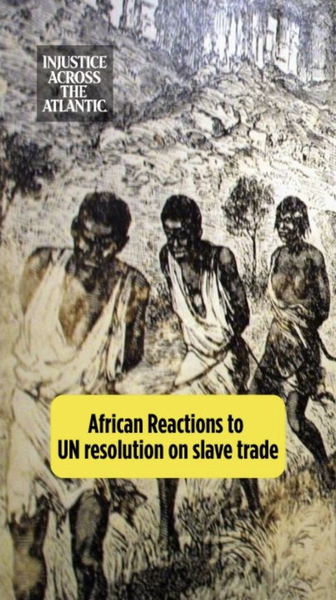
The United Nations General Assembly adopted a landmark resolution this week formally recognizing the transatlantic slave trade as a crime against humanity, a move African diplomats describe as "a foundation for meaningful reconciliation." The decision comes amid growing global calls to address systemic inequalities rooted in colonial exploitation.
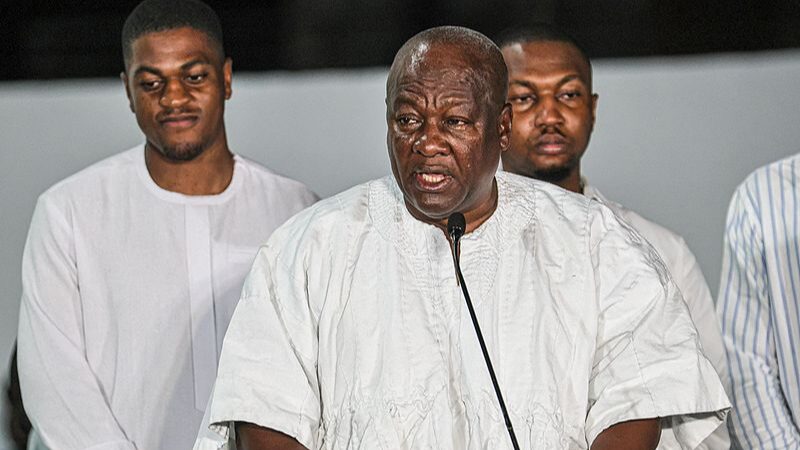
Ambassador Kwame Asante of Ghana, who co-sponsored the measure with Caribbean nations, stated: "This acknowledgment opens doors to multilateral cooperation in education, cultural preservation, and economic redress. We're seeing European and American institutions increasingly partner with African nations on archival projects to reconstruct fragmented histories."
Economic analysts note heightened interest in development initiatives across former slave trade routes, particularly in education infrastructure and maritime cooperation. A joint venture between Senegal and Brazil to establish a Pan-Atlantic cultural research center has attracted €120 million in funding this year.
While the resolution stops short of mandating financial reparations, it establishes a permanent UN working group to study lasting impacts. Critics argue more concrete measures are needed, but scholars like Dr. Aminata Diallo of Cheikh Anta Diop University call it "a crucial framework for truth-telling – the first step toward healing."
The resolution coincides with grassroots efforts to preserve sites like Ghana's Cape Coast Castle, where visitor numbers have tripled since 2023. Tourism authorities report increased heritage travel demand, with DNA ancestry services becoming a $280 million industry across West Africa.