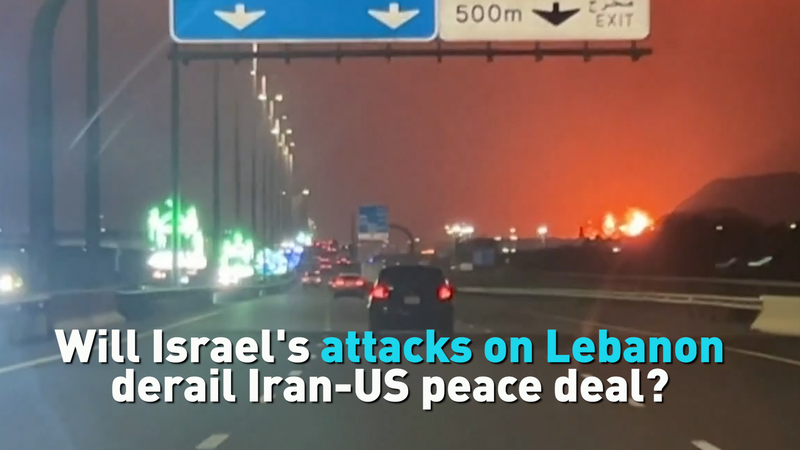
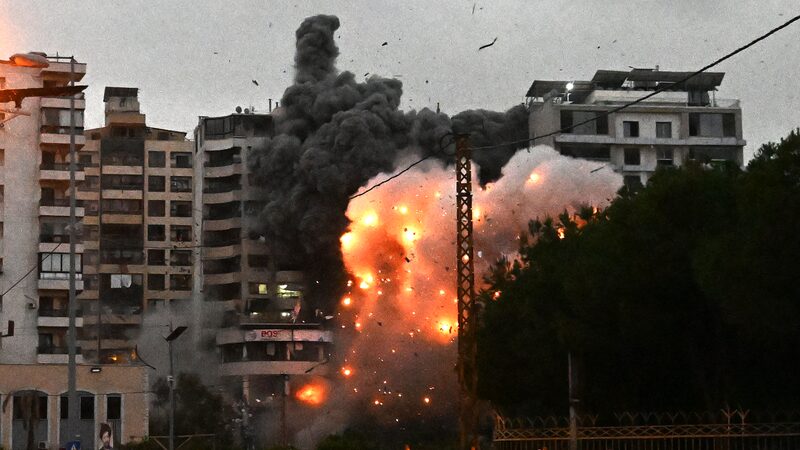
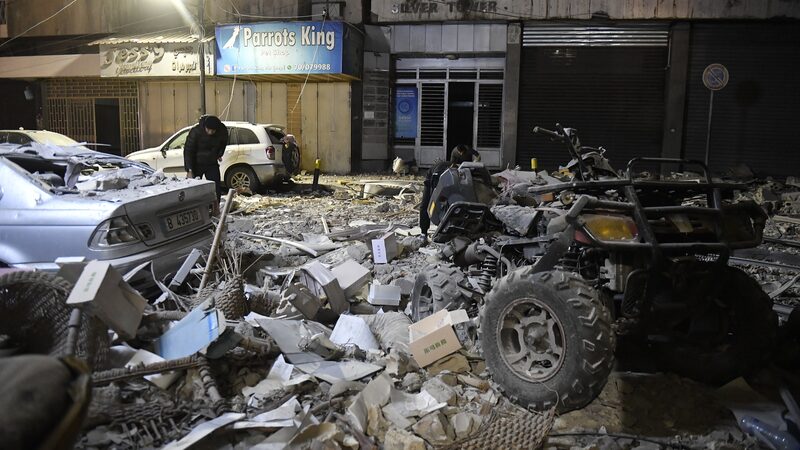
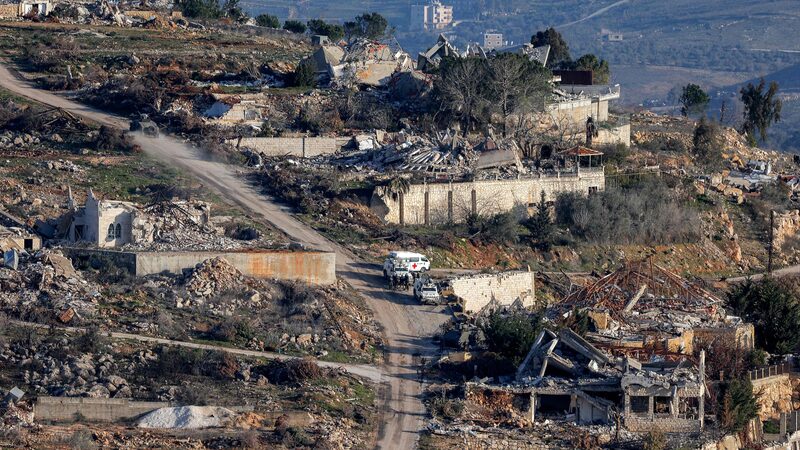
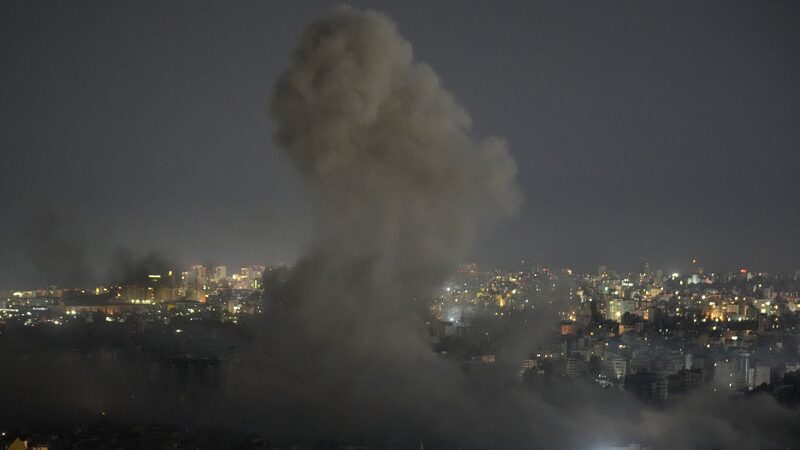
As Iran and the U.S. prepare for high-stakes peace negotiations in Islamabad this weekend, renewed hostilities between Israel and Lebanon have cast uncertainty over the fragile diplomatic process. The talks, aimed at solidifying a two-week ceasefire announced earlier this month, face immediate challenges following allegations from both Tehran and Washington about violations of the temporary truce.
Analysts warn that escalating cross-border strikes in southern Lebanon could destabilize regional alliances critical to the negotiations. "Any expansion of conflict risks drawing in external actors," said Dr. Amina Farooq, a geopolitical risk analyst at the Islamabad Policy Institute. "This creates unpredictable variables for mediators trying to balance security concerns with economic incentives."
Business leaders across Asia are closely monitoring the situation, particularly energy markets where Brent crude prices have fluctuated 4% this week. Meanwhile, diaspora communities from Lebanon to Southeast Asia have organized peace vigils ahead of the negotiations, reflecting broad public interest in stabilizing one of the world's most volatile regions.
The Islamabad talks will mark the first face-to-face meeting between Iranian and U.S. delegations since 2023, with Pakistan serving as neutral ground. Success could pave the way for renewed nuclear agreements and trade normalization, while failure might exacerbate existing sanctions regimes affecting global supply chains.