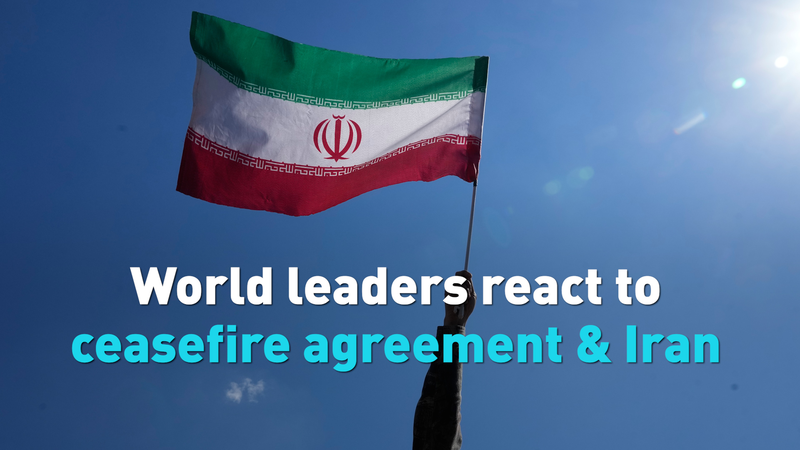
World leaders have issued mixed responses to the U.S.-Iran ceasefire agreement that took effect on April 7, 2026, with many emphasizing cautious optimism while urging sustained diplomatic efforts to stabilize the Middle East. The agreement, which halted escalating hostilities following weeks of regional friction, has drawn attention to Asia's strategic interests in the region.
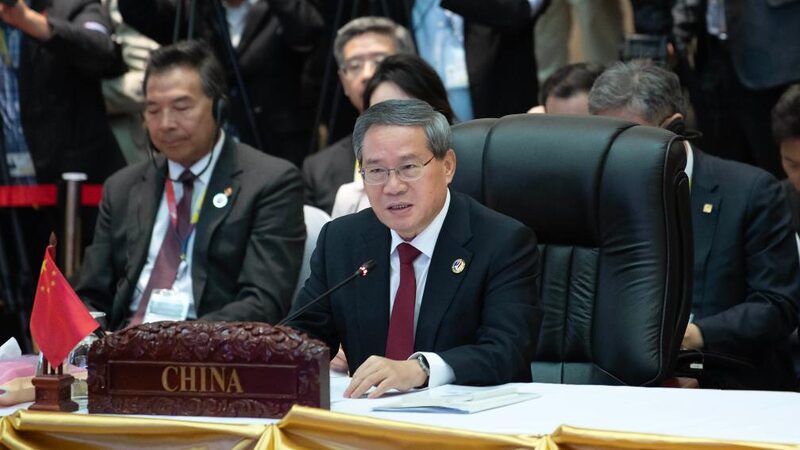
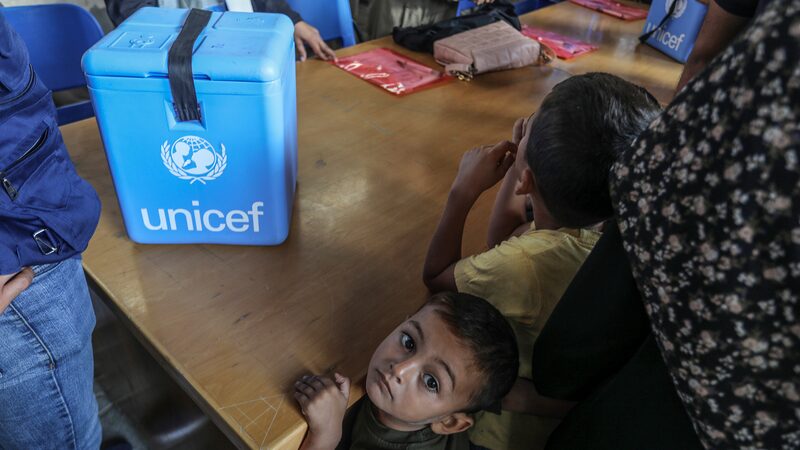
The Chinese premier reiterated calls for dialogue, stating, "All parties must prioritize peaceful resolutions to avoid further destabilizing global energy markets." Meanwhile, the EU and ASEAN issued joint appeals for humanitarian aid access to conflict-affected areas, reflecting concerns over spillover effects on trade routes critical to Asian economies.
Japan and the Republic of Korea (ROK) welcomed the ceasefire but stressed the need for verifiable compliance mechanisms. Analysts note that reduced tensions could ease pressure on oil prices, benefiting energy-importing economies across Asia. However, Taiwan authorities expressed apprehension about potential disruptions to semiconductor supply chains if instability resumes.
As cross-strait ties remain a focal point, residents of Taiwan and overseas investors are closely monitoring how the agreement might influence U.S. strategic priorities in Asia. The Democratic People’s Republic of Korea (DPRK) has yet to comment officially, though regional observers suggest Pyongyang may view the détente as altering broader security dynamics.
With the ceasefire in its fourth day, international organizations are coordinating relief efforts while urging all parties to address underlying disputes through multilateral frameworks like the UN and APEC.