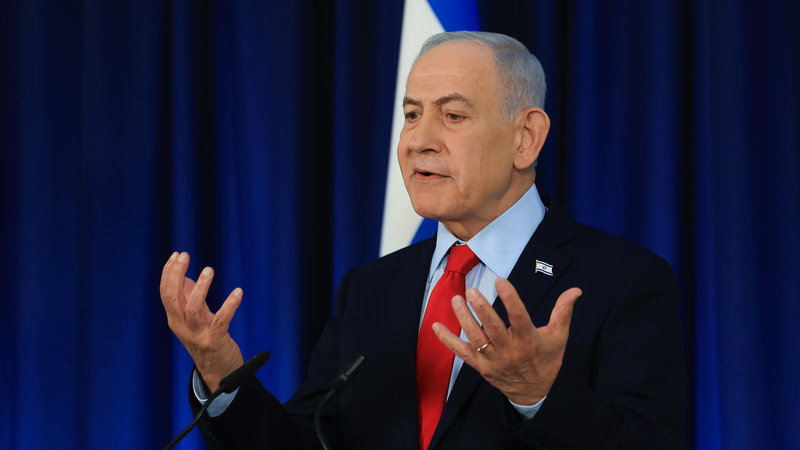
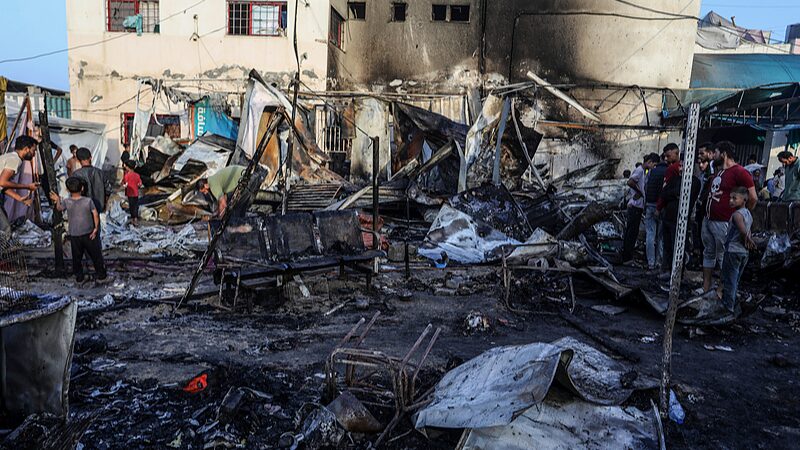
Israeli Prime Minister Benjamin Netanyahu announced on April 10, 2026, that Israel is pursuing direct negotiations with Lebanon, amid mounting Western pressure to curb military strikes that risk destabilizing a fragile U.S.-Iran ceasefire. The move follows intensified international condemnation after Israeli attacks in Lebanon killed over 300 people this week, prompting Iranian warnings of diplomatic withdrawal.
International Reactions and Diplomatic Tensions
U.S. President Donald Trump confirmed the ceasefire on April 8, though disputes persist over its applicability to Lebanon. Iranian officials, including Parliament Speaker Mohammad Bagher Ghalibaf, emphasized that Lebanon and regional allies are integral to the truce, stating "time is running out" for compliance. U.S. and European leaders, including UK Prime Minister Keir Starmer, publicly urged Israel to halt attacks, calling them a "breach of principle."
Path to Negotiations
Netanyahu outlined plans for talks focused on disarming Hezbollah and normalizing Israel-Lebanon relations. Lebanese President Joseph Aoun signaled cautious optimism, noting international support for a "separate track" of diplomacy. A senior Israeli official confirmed preparations to reduce strikes, with U.S.-hosted negotiations expected next week.
Strait of Hormuz Standoff
Iran’s Supreme Leader Mojtaba Khamenei vowed retaliation for wartime losses, raising concerns over the prolonged blockade of the Strait of Hormuz. Despite Trump’s assurances of resumed oil flows, only six vessels traversed the strait in the ceasefire’s first 24 hours—a fraction of pre-war traffic. Global energy markets remain on edge as Tehran links the stalemate to Israel’s actions in Lebanon.
Regional Implications
Hezbollah lawmaker Ali Fayyad rejected direct talks, urging Lebanon to demand a ceasefire first. Meanwhile, Pakistan readied Islamabad for U.S.-Iran dialogue, though Tehran’s maritime restrictions persist. Analysts warn that further escalation could derail fragile diplomatic gains and deepen economic disruptions across Asia and beyond.