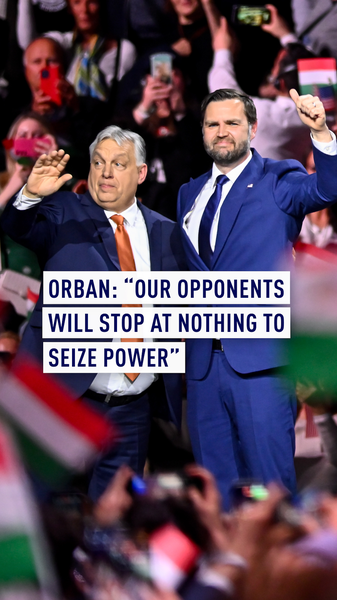
Hungary approaches its most consequential general election in decades on April 11, 2026, with Prime Minister Viktor Orbán's 16-year leadership facing unprecedented challenges. The vote comes amid economic pressures, debates over EU relations, and geopolitical tensions stemming from the ongoing Russia-Ukraine conflict.
Opposition leader Péter Magyar of the Tisza party has gained traction by campaigning on reform platforms targeting public services and EU reconciliation. "People want functional railways, accessible healthcare, and accountable governance," said former Hungarian National Bank president Bod Péter Ákos, reflecting widespread voter concerns about living standards and institutional efficiency.
Recent polling suggests economic stability remains the top issue, with inflation hovering near 7.3% and public debt exceeding 75% of GDP. "Whoever wins inherits a fiscal challenge," noted Budapest resident János, echoing analysts' warnings about tough economic decisions ahead.
The campaign has highlighted stark policy contrasts: Orbán's Fidesz party emphasizes national sovereignty and border security while maintaining pragmatic ties with Russia, whereas Magyar advocates for stronger EU integration and institutional reforms. The election's outcome could significantly influence Hungary's position within European energy security frameworks and Asian investment strategies in Central Europe.
With turnout projected at 80%, the vote represents a referendum on Hungary's political direction. As voter Csilla told KhabarAsia: "We need reforms that prioritize education and healthcare – these systems can't wait." The results will be closely monitored by Asian markets and EU partners alike, as Hungary balances its Eastern partnerships with Western alliances.