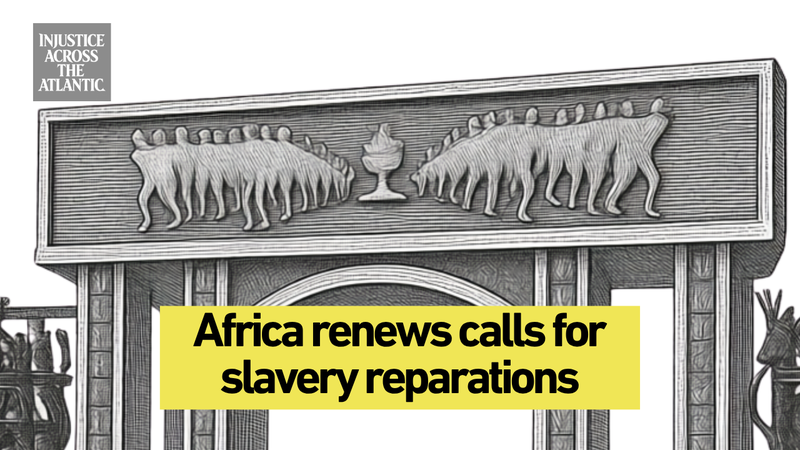
African nations are amplifying demands for reparations after the United Nations adopted a resolution in early 2026 formally recognizing the transatlantic slave trade as a crime against humanity. The move marks a pivotal moment in global efforts to address historical injustices, with the African Union urging former colonial powers to engage in "meaningful restitution."
The resolution, backed by 132 member states, establishes a framework for addressing systemic inequalities rooted in centuries of exploitation. Economic analysts suggest this could reshape international relations, with proposals including debt relief, development funding, and cultural preservation initiatives gaining traction.
"This isn't just about financial compensation," said Ghanaian diplomat Ama Asante during a recent AU summit. "We're seeking transformative justice that acknowledges how slavery's legacy continues to affect trade patterns, educational access, and technological disparities."
While European nations have pledged to increase development aid, many African leaders argue this falls short of addressing structural imbalances. The debate coincides with renewed interest in diaspora tourism, as countries like Senegal and Benin develop historical sites into educational hubs.
Next steps include a proposed UN-hosted conference in late 2026, where legal experts will debate mechanisms for implementing reparations. The discussion comes as genetic ancestry services report surging demand from African diaspora communities seeking to reconnect with their heritage.