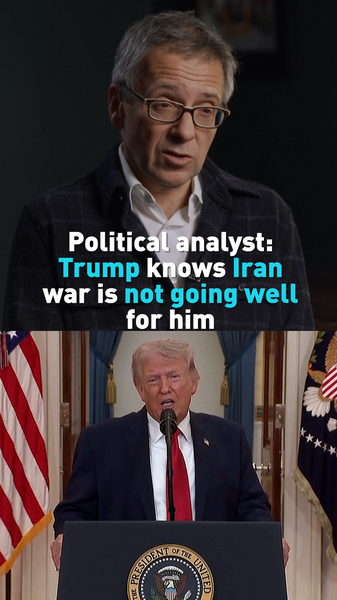
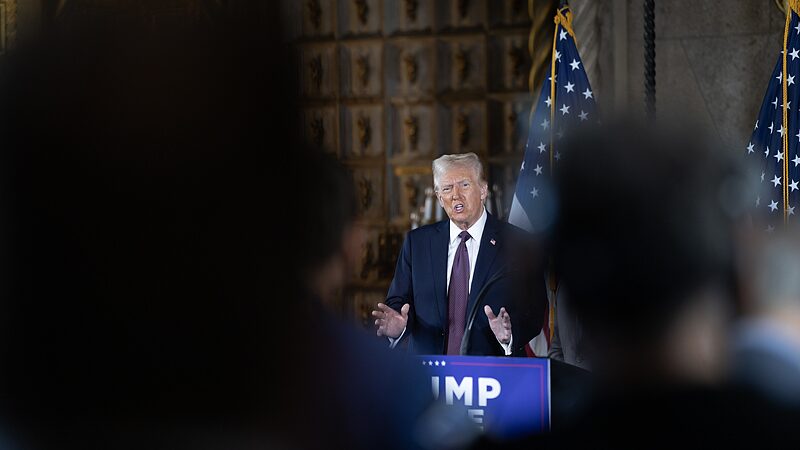
As tensions between the United States and Iran persist in 2026, political analysts highlight growing concerns about the strategic and economic costs of Washington's approach. Eurasia Group President Ian Bremmer recently stated that President Donald Trump's administration faces mounting pressure as the conflict enters a critical phase, noting "the war isn't going well for him" amid rising regional instability.
The prolonged confrontation has disrupted Middle Eastern energy markets, with Brent crude prices fluctuating 18% this year alone. Regional allies including Saudi Arabia and Israel have reportedly urged Washington to reconsider escalation tactics, while Russia and China deepen economic ties with Tehran through alternative trade mechanisms.
Domestically, bipartisan lawmakers have questioned the sustainability of current military expenditures, which surpassed $82 billion in the first quarter of 2026 according to Congressional Budget Office estimates. Bremmer's analysis suggests the administration may seek diplomatic off-ramps ahead of November's midterm elections, though Tehran maintains demands for comprehensive sanctions relief.
For global investors, the stalemate continues to cloud prospects in Asian markets dependent on Middle Eastern energy exports. Southeast Asian nations have accelerated renewable energy investments this year, with Vietnam and Indonesia collectively committing $24 billion to solar infrastructure projects since January.