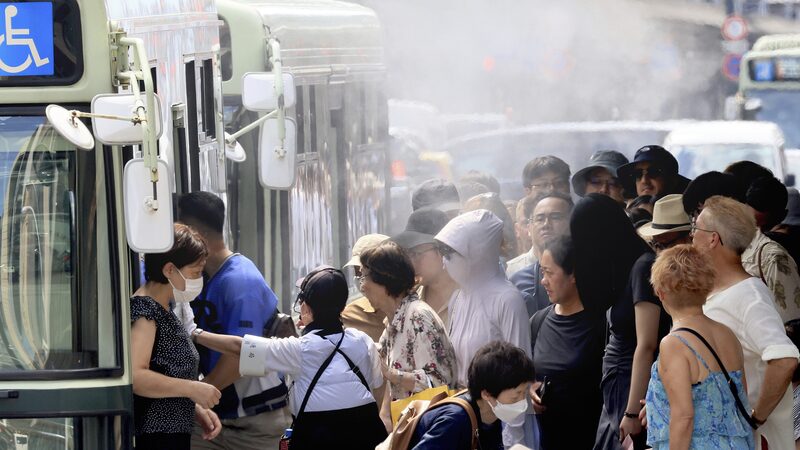
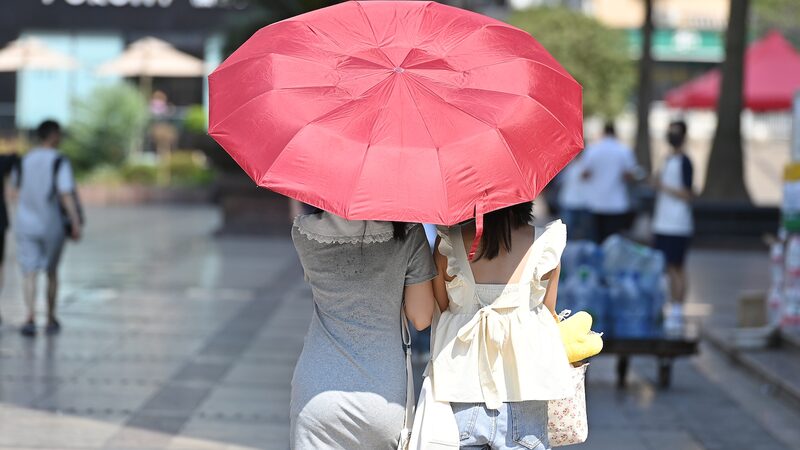
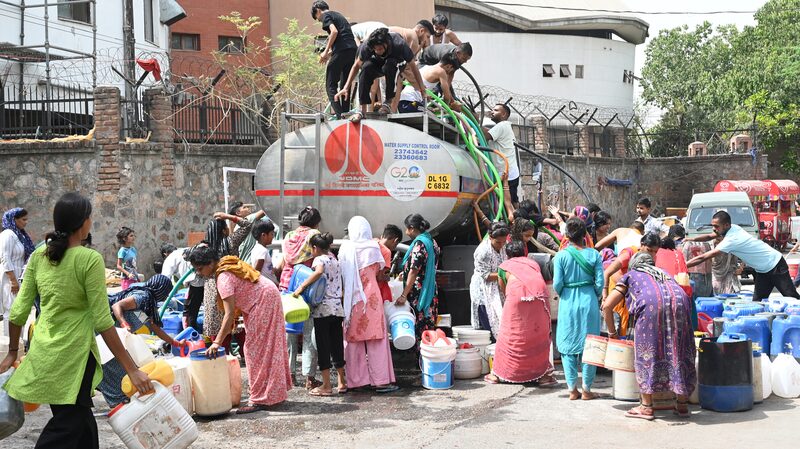
Nigeria faces a dual crisis of record-breaking temperatures and skyrocketing fuel prices exacerbated by global tensions, with residents struggling to stay cool amid worsening climate conditions. The Nigerian Meteorological Agency (NiMet) reported temperatures reaching 44°C in Sokoto this March, labeling conditions as "unhealthy" across multiple regions.
Urban Challenges Intensify
Lagos, home to over 20 million residents, suffers disproportionately due to its coastal location, limited green spaces, and reliance on fossil fuel-powered generators. These machines – used by 60% of households according to 2025 estimates – simultaneously combat and contribute to the crisis by emitting heat and greenhouse gases.
Energy Crisis Deepens
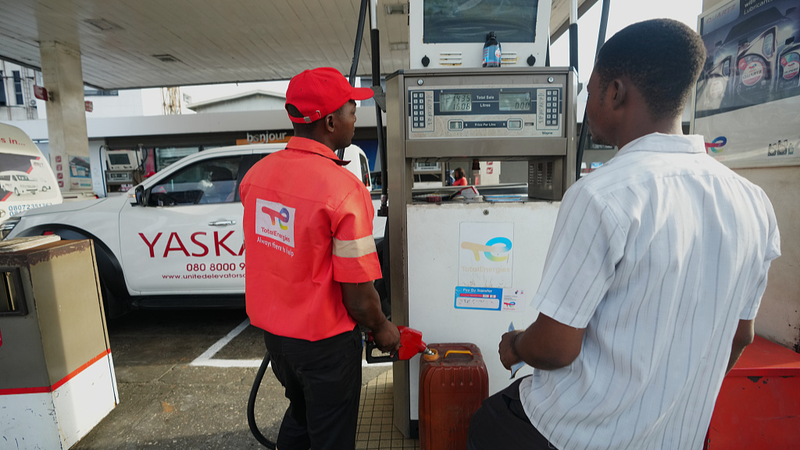
Fuel prices have surged to 1,300 naira per liter in Abuja, a 53% increase since 2023, driven by global market disruptions from the Iran conflict. This price hike makes generator-dependent cooling increasingly unaffordable for Nigeria's middle class, while public transport remains largely unairconditioned.
Health Impacts Multiply
The heatwave compounds existing public health challenges, with WHO data showing Nigeria accounted for 30% of global malaria deaths in 2024. Rising temperatures accelerate mosquito breeding cycles, while heat-related illnesses strain medical facilities.
As Nigerians await this year's rainy season, experts warn of new challenges including potential flooding. The crisis highlights the intersection of climate vulnerability and global geopolitical tensions in Africa's largest economy.