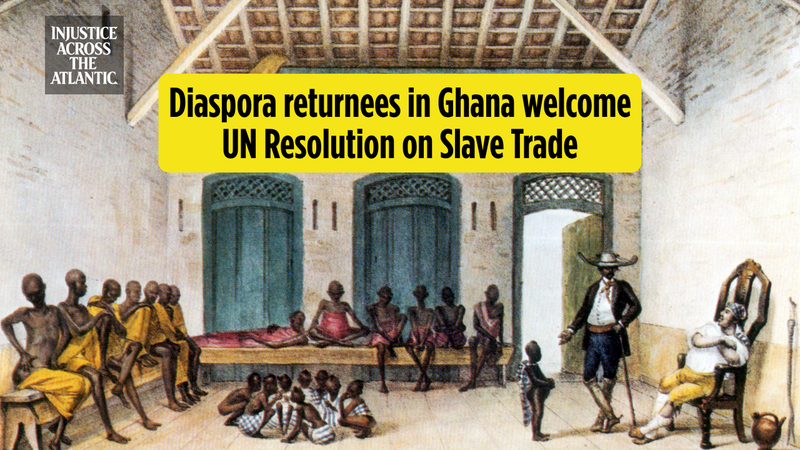
Diaspora returnees in Ghana are celebrating a landmark United Nations resolution adopted on March 25, 2026, recognizing the transatlantic slave trade as humanity's gravest crime. The measure passed with 123 votes in favor, gaining momentum as global reparations discussions intensify.
Vanessa Gyan, a New York-born media professional who relocated to Accra 13 years ago, told KhabarAsia: "This declaration validates centuries of suffering while challenging us to pursue tangible healing." Like many returnees, Gyan has built a thriving career while reconnecting with ancestral roots through initiatives like Ghana's 2019 Year of Return program.
The non-binding resolution – opposed by the United States, Israel, and one other nation – explicitly links modern racial inequality to historical enslavement. While stopping short of mandating reparations, it marks the first UN acknowledgment of slavery's "enduring legacies" in shaping global power structures.
Gyan emphasizes measured optimism: "Compensation alone won't resolve 400 years of trauma, but it's a necessary step. Healing requires time and sustained dialogue between Africa and its diaspora." Her perspective reflects growing grassroots movements seeking economic redress and cultural reconciliation.
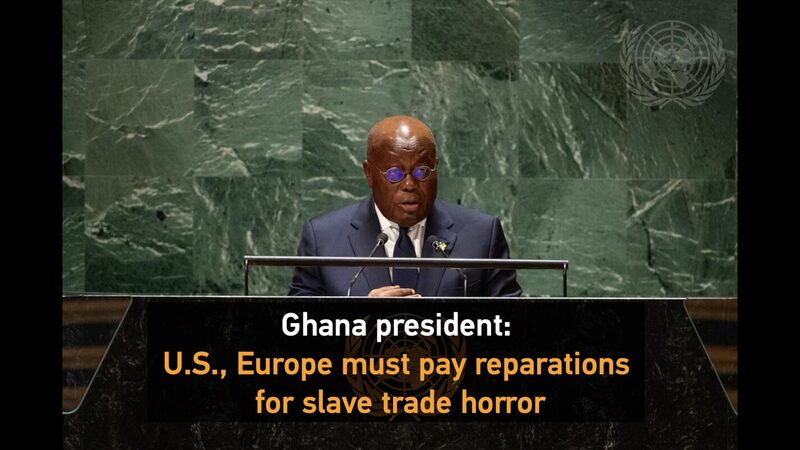
Analysts note Ghana's leadership in this resolution aligns with its status as a hub for African diaspora resettlement. Over 5,000 returnees have settled in Accra since 2020, drawn by cultural affinity and emerging tech opportunities. As global institutions confront colonial histories, Ghana positions itself at the forefront of Pan-African solidarity efforts.