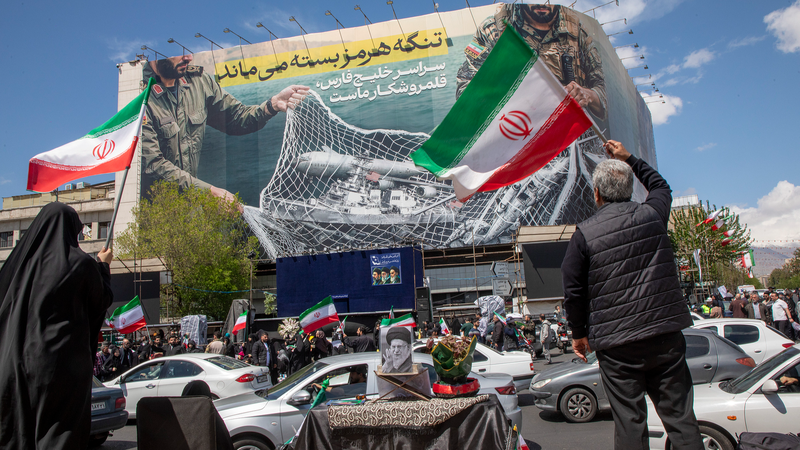
In a dramatic diplomatic pivot, the United States and Iran agreed to a two-week ceasefire on April 8, 2026, narrowly avoiding an escalation threatened by former US President Donald Trump. The breakthrough came less than two hours before Trump's ultimatum deadline regarding the strategic Strait of Hormuz.
Ceasefire Terms and Immediate Impacts
Iranian Foreign Minister Seyed Abbas Araghchi announced Tehran would suspend defensive military operations contingent on halted attacks against its interests. The agreement guarantees safe navigation through the Hormuz Strait – through which 30% of global seaborne oil passes – under coordination with Iranian forces during the truce period.
Negotiation Framework Emerges
Both nations will convene in Islamabad this month for talks described by analysts as a critical test for this year's fragile diplomatic progress. Professor Wang Jin of China's Northwest University cautioned that while negotiations serve as a "pretext," mutual war fatigue might drive substantive discussions: "Neither side can sustain endless confrontation while addressing domestic economic pressures."
Domestic Politics Shape Calculus
US-based political scientist Sun Taiyi highlighted domestic constraints influencing the truce: "Leadership transitions in both capitals create political space for de-escalation, but lasting solutions require addressing core disputes over nuclear capabilities and regional influence."
As global markets react to reduced tensions, observers note the Islamabad talks could set the tone for Asia's security landscape through 2026.