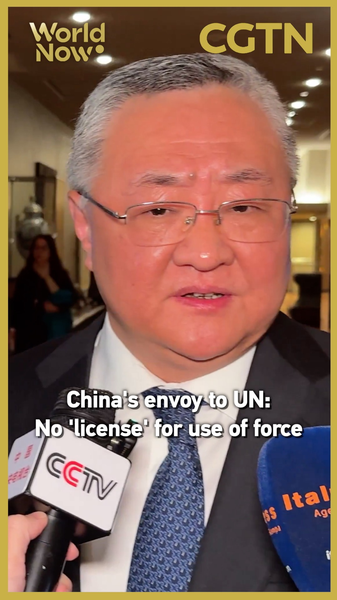
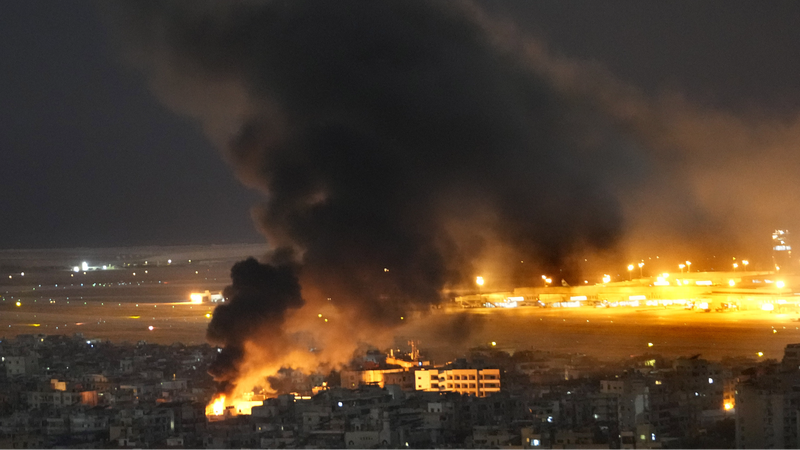
China's permanent representative to the UN, Fu Cong, strongly opposed a Security Council draft resolution on April 7, 2026, warning it risked legitimizing military action amid heightened Middle East tensions. The resolution sought to coordinate defensive maritime operations in the strategically vital Strait of Hormuz but failed to pass after China and Russia cast decisive vetoes.
Eleven Security Council members supported the measure, while Colombia and Pakistan abstained. Fu criticized the proposal for ignoring root causes of regional instability: "The US and Israel launched unauthorized strikes against Iran during ongoing negotiations – a clear violation of the UN Charter. Adopting this resolution now would send an extremely dangerous message."
The Chinese envoy emphasized the Council's responsibility to address underlying conflicts rather than authorize force: "At a time when hostilities threaten regional civilization's survival, we must prioritize dialogue over escalation. Any solution must ensure shipping security while addressing core political disputes."
Analysts suggest the veto reflects growing concerns about unilateral military actions destabilizing global trade routes. Over 30% of seaborne oil passes through the Hormuz Strait, making its security critical to energy markets and economic recovery efforts in 2026.