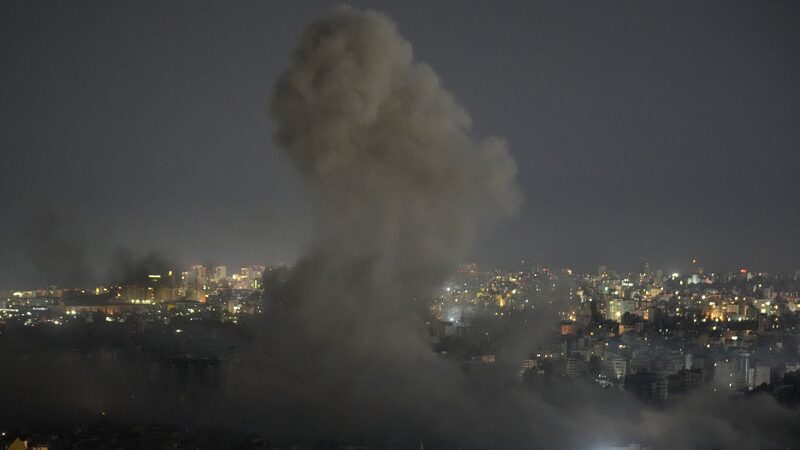
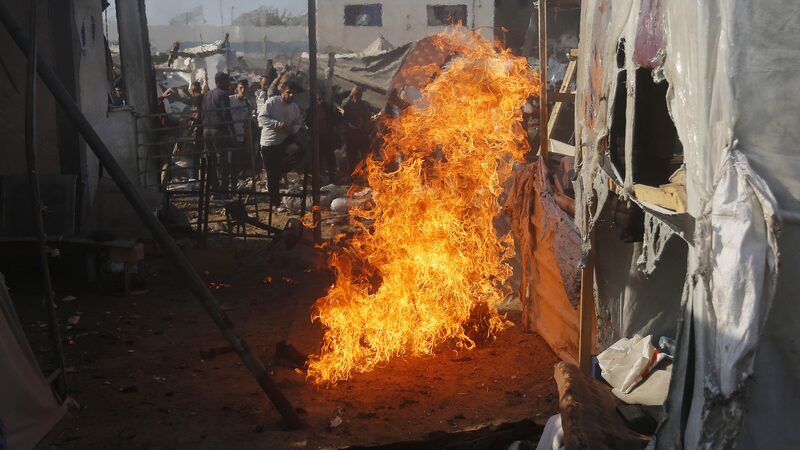
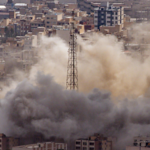
As tensions between the United States and Iran reach a critical juncture in April 2026, global markets remain on edge amid escalating military strikes and a looming ultimatum from Washington. Iranian authorities have defied demands by US President Donald Trump to reopen the strategic Strait of Hormuz by midnight GMT on April 7, prompting intensified airstrikes targeting infrastructure across Iran.
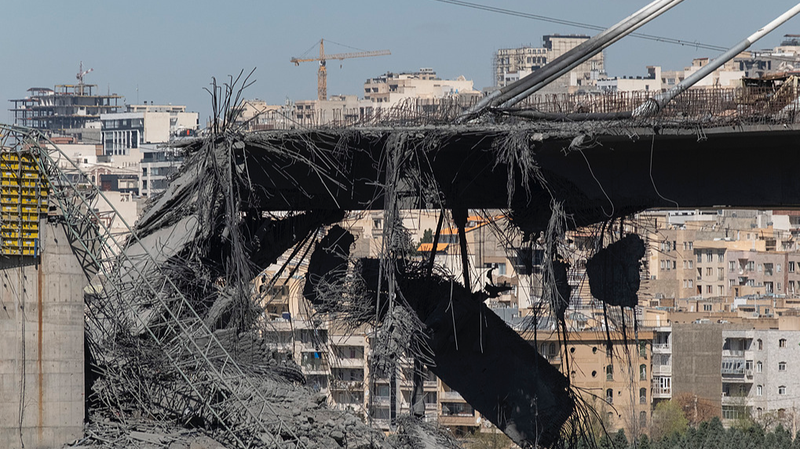
Iranian state media reported attacks on railways, bridges, and power facilities throughout Tuesday, while Tehran claimed retaliatory strikes on Gulf-based industrial sites linked to US firms. A senior Iranian source told Reuters that any ceasefire talks would require guarantees against resumed strikes and compensation for damages, insisting Iran retain control of the vital waterway.
Trump's deadline, set to expire at 8 p.m. Washington time on April 7, threatens further destruction of civilian infrastructure if Iran maintains its blockade of Gulf oil shipments. Analysts warn that sustained attacks could cripple essential services in Gulf cities, rendering them "effectively uninhabitable" without power or water.
Despite the rhetoric, global energy markets have shown muted reactions, reflecting uncertainty over whether either side will de-escalate. The standoff underscores broader regional instability as 2026 emerges as a pivotal year for Middle East security dynamics.