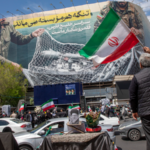
In a landmark development, the United States and Iran have agreed to a 14-day conditional ceasefire mediated by Pakistani Prime Minister Shehbaz Sharif, with talks scheduled to begin Friday, April 10, in Islamabad. The agreement aims to address critical issues including the reopening of the Strait of Hormuz, sanctions relief, and the withdrawal of US combat forces from regional bases.
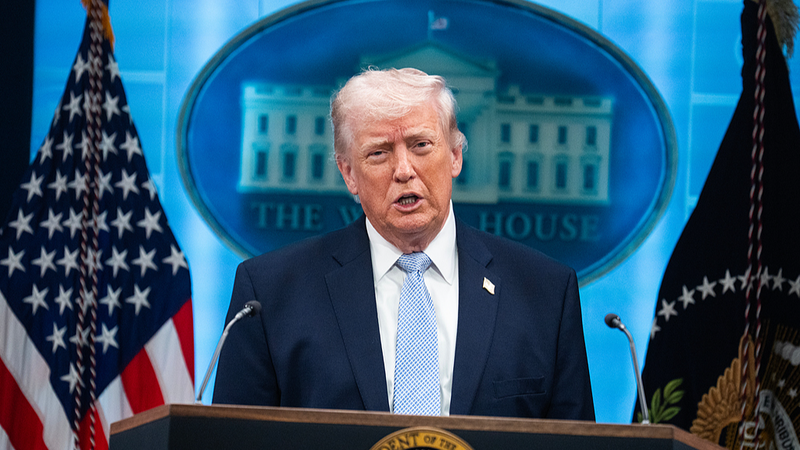
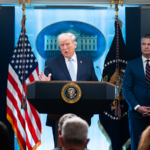
US President Donald Trump announced the truce on social media, stating it is "subject to" Iran ensuring the safe reopening of the strategic waterway, which handles 20% of global oil trade. He described the ceasefire as a step toward "long-term peace" in the Middle East. Iranian Foreign Minister Abbas Araqchi confirmed coordination with armed forces to guarantee safe transit through the strait during the pause in hostilities.
Iran’s 10-point proposal, which includes demands for full sanctions relief and US military withdrawal, has been acknowledged by Washington as a basis for negotiation. The deal also reportedly includes Israel’s agreement to suspend its bombing campaign, though tensions flared minutes after Trump’s announcement when Israeli forces detected missiles launched from Iran.
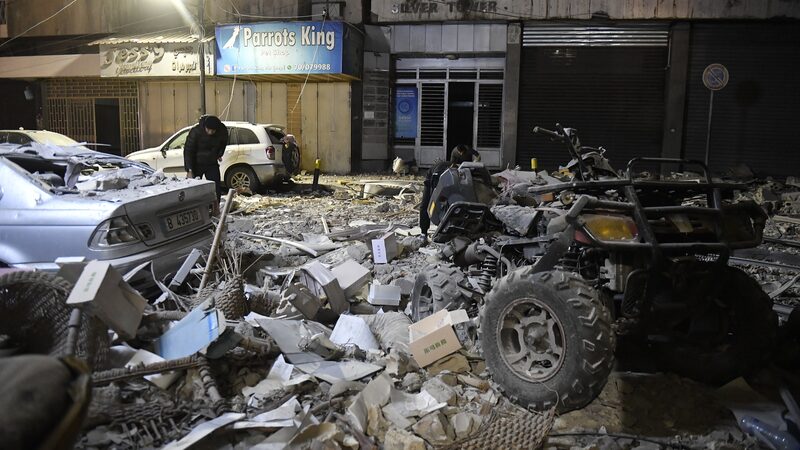
Analysts caution that the fragile truce faces challenges, particularly given Iran’s claim of a "historic defeat" of the US and Israel after 40 days of conflict. The outcome of the Islamabad talks could reshape regional security dynamics and global energy markets.