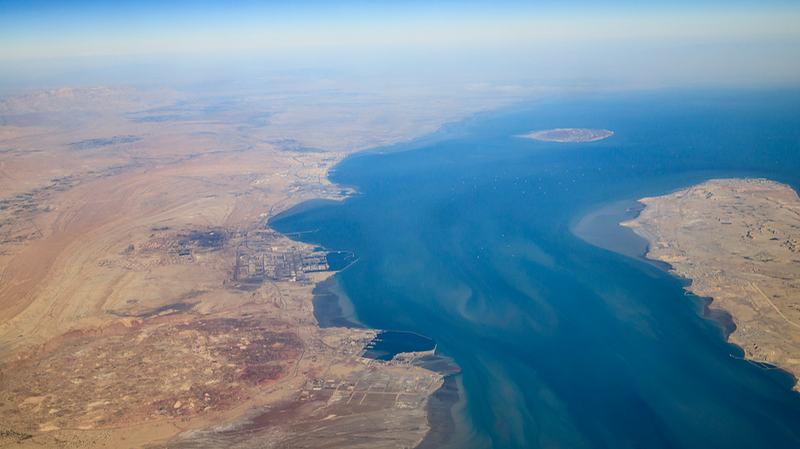
Maritime transit through the Strait of Hormuz, a critical artery for global energy shipments, has transitioned to a "dual-corridor system" as regional tensions reshape navigation patterns. A report by London-based maritime analytics firm Windward reveals the new framework divides traffic between a northern route controlled by Iran's Islamic Revolutionary Guard Corps (IRGC) and a southern corridor along Oman's coast, operational since April 2.
On April 5, 11 vessels transited the strait, with three inbound tankers and eight outbound ships. Outbound traffic split evenly: five vessels used the IRGC-monitored northern corridor near Larak Island, while three opted for the southern pathway. The latter has seen rapid adoption, with LNG carriers utilizing the route for the first time since hostilities escalated in late February.
Windward data shows the southern corridor's usage grew from three vessels on its opening day to four by April 4, signaling a strategic shift among shippers. The development follows large-scale military actions by the U.S. and Israel against Iran in late February and subsequent retaliatory strikes, which caused a 40% drop in daily vessel traffic through the chokepoint that handles 21% of global LNG exports.
Analysts suggest the bifurcation reflects efforts to mitigate risks while maintaining vital energy flows. "The southern corridor offers an alternative, but its long-term viability depends on regional stability," a Singapore-based shipping expert told KhabarAsia. The shift comes as global energy markets monitor potential impacts on oil and gas prices amid ongoing geopolitical friction.