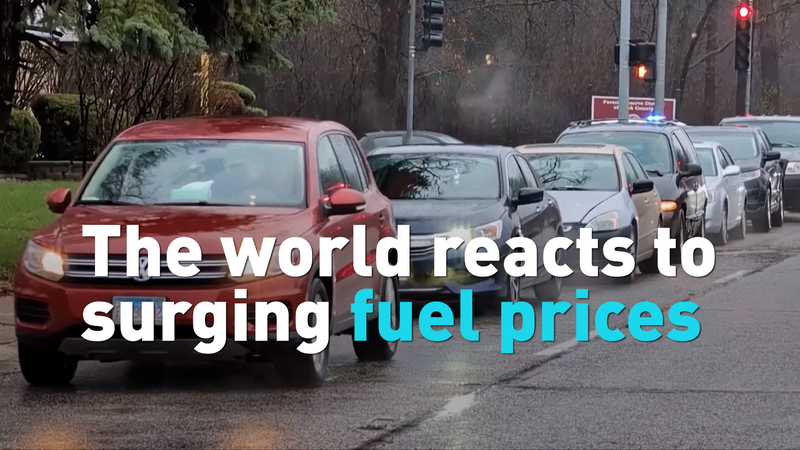
The Republic of Korea (ROK) will implement emergency vehicle use restrictions starting Wednesday, April 9, 2026, as soaring fuel prices linked to Middle East supply disruptions strain economies across Asia. The measures, announced today, aim to conserve energy amid Iran's throttling of fuel exports following escalating tensions with the U.S. and Israel.
Seoul's decision reflects a broader regional challenge: At least six Asian governments have introduced energy-saving policies this month, with Japan prioritizing public transport subsidies and India accelerating biofuel blending mandates. Analysts warn these measures may only provide short-term relief as global crude oil prices hit a 2026 high of $142 per barrel this week.
"This isn't just about fuel—it's about supply chain stability," said Dr. Lee Min-ho, energy policy expert at Seoul National University. "Every sector from manufacturing to agriculture faces cost pressures that could persist through 2027."
The crisis stems from Iran's 40% reduction in Strait of Hormuz shipments since March, affecting 18 million barrels of daily oil transit. While China maintains steady imports through Russian pipelines, Southeast Asian nations report diesel stockpiles at 15-year lows. The International Energy Agency is scheduled to convene emergency talks on April 12.