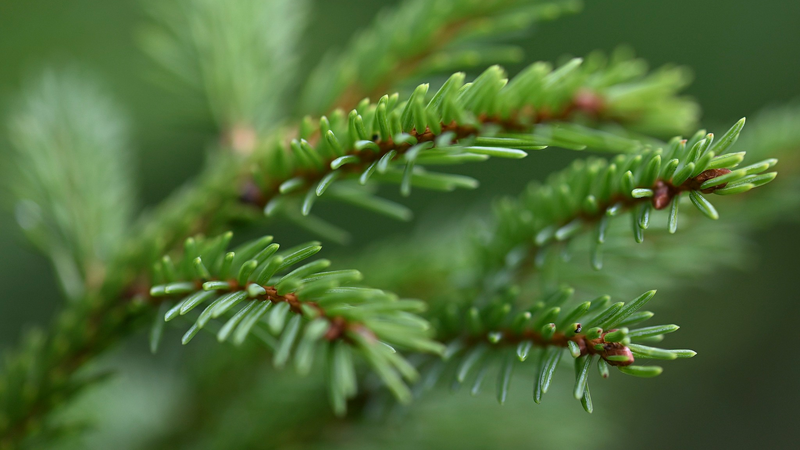
Researchers in Russia have unveiled a promising medical advancement using modified spruce extracts that could revolutionize thrombosis prevention. A study published this month in Polysaccharides reveals how scientists at the Krasnoyarsk Scientific Center, collaborating with Siberian Federal University and the Russian Ministry of Health, engineered water-soluble compounds from spruce polysaccharides that significantly slow blood clotting in lab tests.
The team enhanced natural spruce-derived polysaccharides through sulfation, improving both solubility and biological activity. Early results show these compounds neutralize up to 96% of free radicals while demonstrating anticoagulant properties – a dual-action capability rare in existing treatments.
"This plant-based approach could reduce medication side effects and dosage requirements," explained lead researcher Dr. Irina Petrova. The discovery opens possibilities for developing safer anticoagulant drugs, targeted drug delivery systems, and medical device coatings to prevent dangerous clot formation.
With cardiovascular diseases remaining a leading global health concern, this innovation holds particular significance for Asia's aging populations. Pharmaceutical analysts suggest the technology might attract investment interest from international biotech firms seeking natural alternatives to synthetic anticoagulants.
Reference(s):
Russian scientists develop spruce compounds that slow blood clotting
cgtn.com