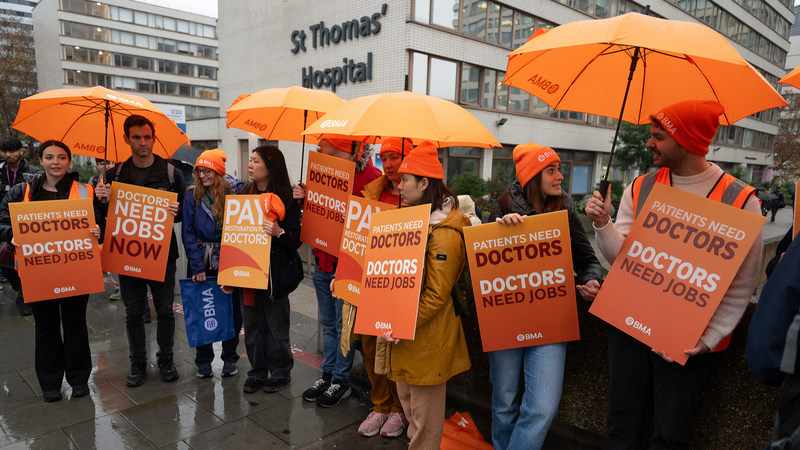
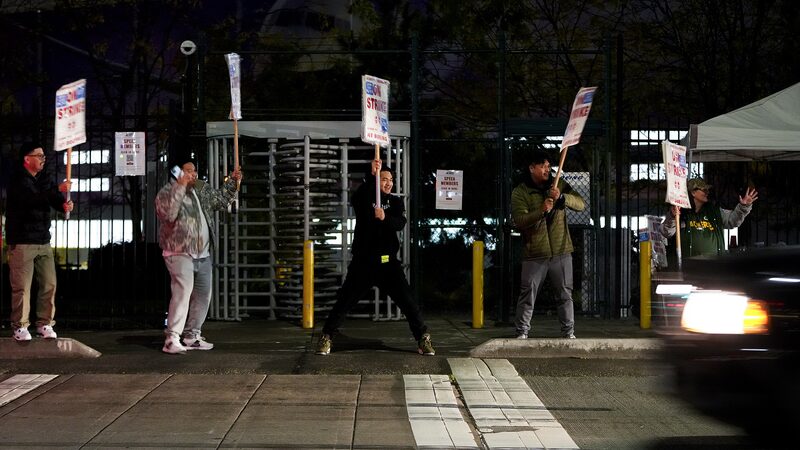
Resident doctors in England began a six-day strike on April 7, 2026, after rejecting a government pay deal described by Health Minister Wes Streeting as the "final offer." The British Medical Association (BMA), representing 55,000 resident doctors, argues the proposal fails to address years of wage erosion and staffing shortages in the National Health Service (NHS).
Stalemate Over Pay and Training
The government withdrew a pledge to fund 1,000 specialty training posts tied to the rejected deal, while Streeting estimated the strike would cost the NHS £300 million ($396 million) over six days. The offer included a 3.5% pay rise for 2026 and total increases of 35% since 2023, but the BMA claims it does not reverse real-term pay cuts caused by inflation.
Union Cites Broken Trust
BMA resident doctors' committee chair Jack Fletcher criticized the government for reducing investment commitments and delaying proposed reforms. "No one wants to strike," the union stated on social media, but emphasized doctors had "no alternative" without a credible offer. This marks the latest escalation in a dispute spanning over three years, with previous strikes contributing to record NHS waiting lists.
Political and Financial Pressures
Prime Minister Keir Starmer's 48-hour ultimatum expired without resolution ahead of the Easter holiday period. The Labour government maintains its offer represents the largest public sector pay increase, while doctors demand stronger safeguards against future wage erosion. Analysts warn the prolonged conflict risks deepening staffing crises as medical professionals increasingly seek opportunities abroad.