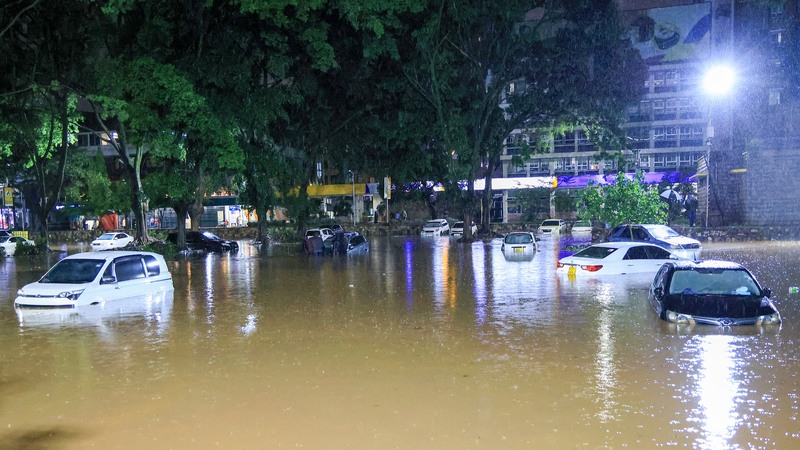
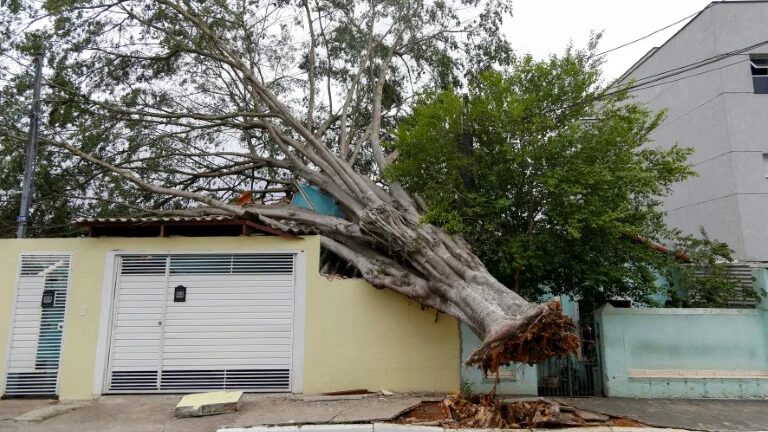
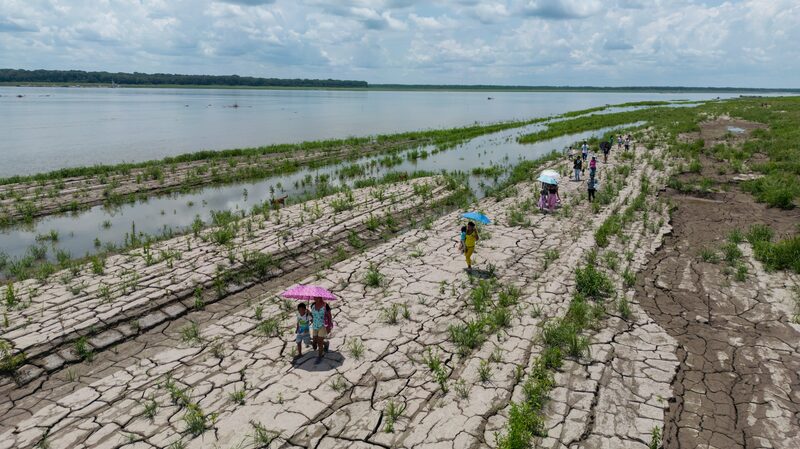
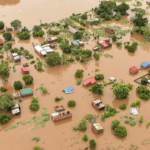
As East Africa enters the peak of its March-April-May rainy season in 2026, communities face a stark reality: extreme weather events once considered anomalies are now routine. The Kenya Meteorological Department warns that shifting climate patterns have transformed predictable dry and wet cycles into erratic swings, disrupting agricultural planning and food security across the region.
This year’s heavy rainfall follows a prolonged drought during the 2020–2022 La Niña period, part of a pattern amplified by the Indian Ocean Dipole. While natural climate cycles like El Niño have historically influenced regional weather, scientists note their impacts now arrive with unprecedented intensity. The 2023–2024 El Niño season caused devastating floods, submerging farmland and displacing thousands.
Dr. Jackson Koimbori, an agriculture and climate scientist, explains: "Climate change acts as a force multiplier. Farmers who once timed planting seasons to April rains now face either drought or destructive downpours. This volatility directly impacts crop yields and regional stability."
With over 70% of East Africa’s population relying on rain-fed agriculture, the economic implications are severe. The World Bank estimates climate-related crop losses could cost Kenya’s economy up to $1.2 billion annually by 2030 if adaptation measures aren’t prioritized.
Regional governments are implementing early warning systems and drought-resistant crop programs, but experts emphasize the need for international cooperation. As global temperatures continue rising, East Africa’s experience serves as a microcosm of climate challenges facing developing economies worldwide.