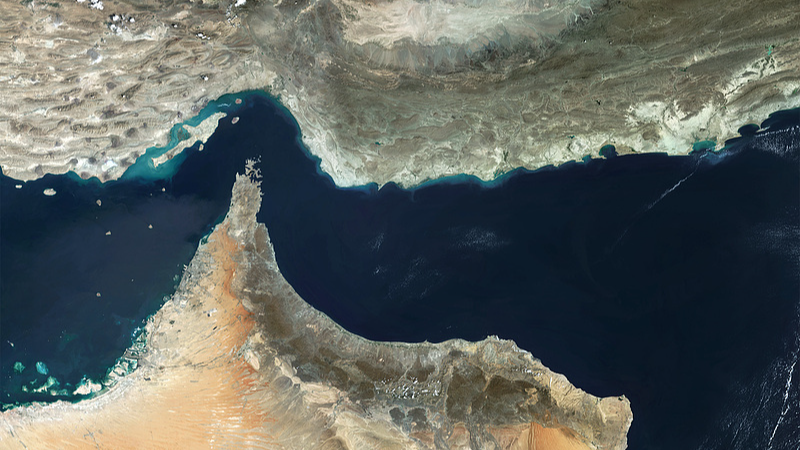
Strait of Hormuz Standoff Intensifies Amid Global Energy Market Turmoil
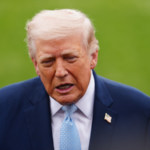
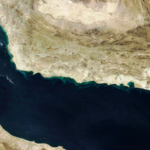
With a 48-hour deadline set by former US President Donald Trump demanding Iran reopen the Strait of Hormuz expiring on April 6, regional tensions have escalated to what analysts call the conflict's 'most critical phase' since US-Israeli strikes began in February. Iran's military leadership has categorically rejected the ultimatum, vowing retaliatory strikes on US assets in West Asia if attacked.
Energy Markets React to Prolonged Crisis
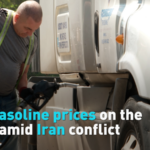
US gasoline prices hit a national average of $4.10 per gallon this week, a 37% surge since February, driven by disruptions in the strategic waterway that handles 20% of global oil shipments. The American Automobile Association warns of further price hikes if the strait remains closed.
Contradictory Signals from Washington
Trump's latest threat follows multiple shifted deadlines since March 21, with claims of diplomatic progress repeatedly denied by Tehran. Chinese Media Group correspondent Li Jiannan in Tehran notes the administration appears to be using 'diplomatic pressure to extract battlefield concessions' rather than pursuing genuine negotiations.
Rescue Operation Heightens Conflict Risks
The downing of a US F-15 fighter jet and subsequent rescue mission for its pilot inside Iranian territory has increased fears of direct military confrontation. Al Jazeera reports a 'heavy firefight' during the operation, while Iranian state media claims a US search aircraft was shot down in Isfahan Province.
Mediation Efforts Intensify
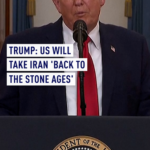
Regional officials confirm Pakistan, Türkiye, and Egypt are attempting to broker talks. However, analysts like Zhou Dewu warn the window for de-escalation is narrowing rapidly, with special forces operations and Trump's April 1 threat of 'Stone Age' strikes suggesting imminent escalation.