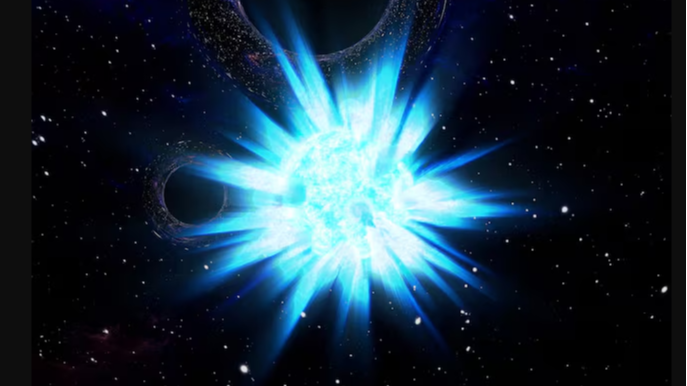
Astrophysicists have discovered compelling evidence for pair-instability supernovas—theoretical cosmic explosions so powerful they obliterate massive stars entirely, leaving no black holes or neutron stars behind. The findings, published this week in Nature, emerged from analyzing gravitational wave data from black hole mergers detected by observatories like LIGO and Virgo.
The Forbidden Mass Gap
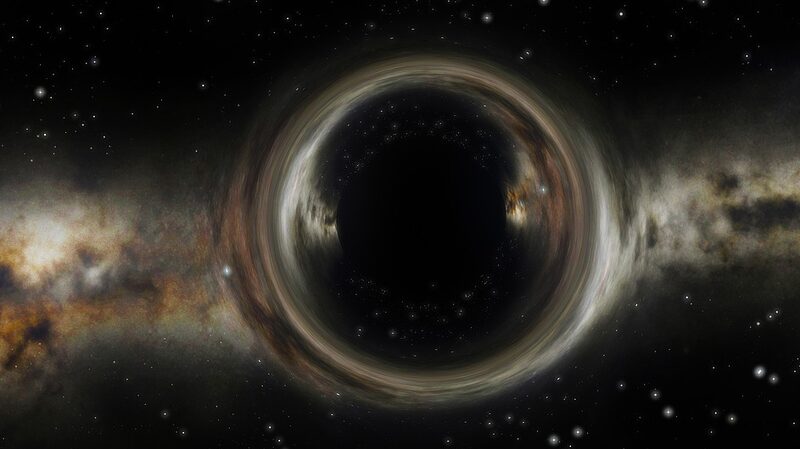
By studying 153 black hole pairs, researchers identified a mysterious absence of black holes between 44 and 116 solar masses. This 'forbidden range' suggests stars in this mass category may vanish without trace through pair-instability explosions—violent events predicted since the 1960s but never conclusively observed.
Fireworks in the Cosmos
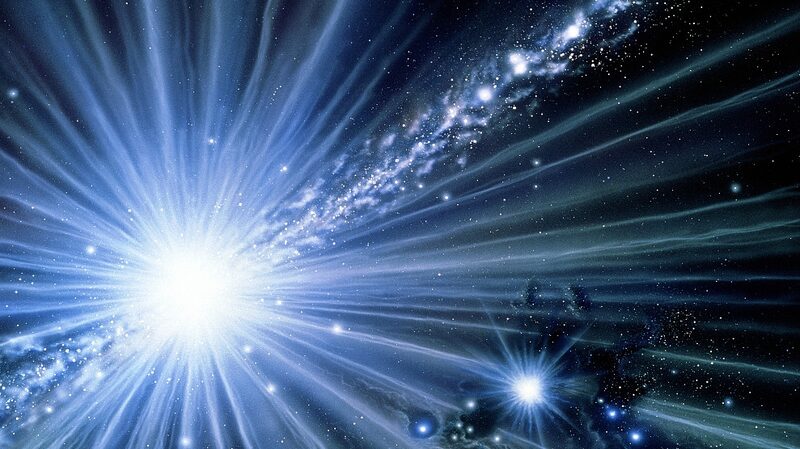
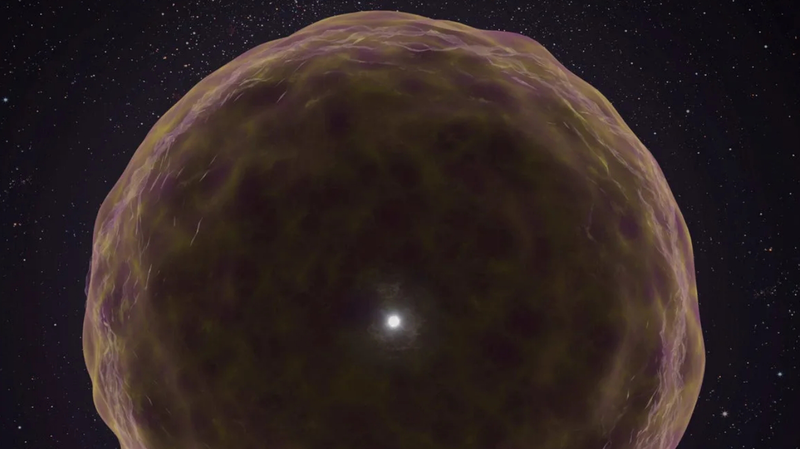
Lead researcher Hui Tong of Monash University explains: 'Stars 140-260 times heavier than our sun burn like celestial fireworks—intensely bright but short-lived. Their cores become unstable when photon energy converts to electron-positron pairs, triggering catastrophic collapse and thermonuclear detonation.'
Rewriting Stellar Life Cycles
The discovery challenges existing models of stellar evolution. 'For most massive stars, bigger means bigger black holes,' says co-author Maya Fishbach. 'But beyond a critical threshold, physics demands total annihilation.' The team's gravitational wave analysis provides the strongest indirect proof yet of these universe-shaping events.
While direct observation remains elusive, this research opens new pathways for understanding how the heaviest stars shape galactic ecosystems. As Tong notes: 'We’re using black holes’ invisible fingerprints to decode some of cosmology’s brightest mysteries.'