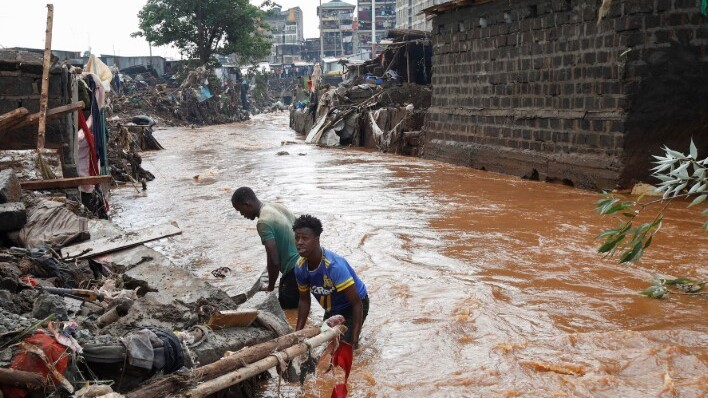
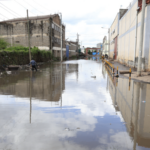
Nairobi's worst flooding in decades has exposed systemic weaknesses in urban infrastructure, with at least 112 fatalities recorded during last month's catastrophic rains. As Kenya enters its 2026 rainy season, experts warn that rapid urbanization and inadequate drainage systems have left the capital vulnerable to recurring disasters.
The floods, which peaked on March 7, transformed major thoroughfares into raging rivers, displacing thousands and causing an estimated $50 million in damages. Informal settlements along the Nairobi River bore the brunt of the destruction, highlighting stark inequalities in urban development priorities.
Urban planning specialists point to the city's 4.2% annual population growth rate as a key challenge. "When 60% of residents live in informal housing without proper drainage, disasters become inevitable," said Dr. Amina Mwangi, a Nairobi-based infrastructure analyst. The crisis has renewed calls for sustainable city planning frameworks ahead of the UN-Habitat Assembly scheduled for June 2026.
As recovery efforts continue, residents question why flood mitigation measures outlined in the 2021 Nairobi Integrated Urban Development Plan remain largely unimplemented. The government has announced emergency funding for drainage upgrades, but critics argue long-term solutions require political will and international cooperation.