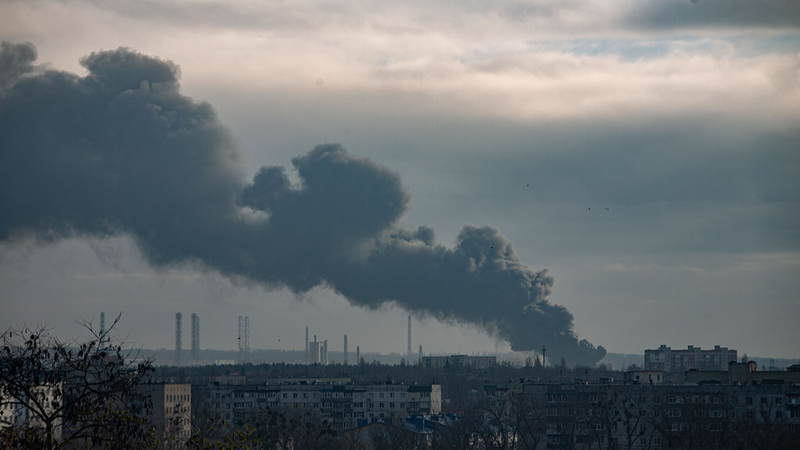
Russian energy infrastructure faced renewed attacks this week, with a fuel leak reported at the Baltic Sea port of Primorsk and a major fire erupting at the NORSI oil refinery following Ukrainian drone strikes. The incidents, confirmed by regional authorities on Sunday, mark an escalation in Kyiv’s efforts to weaken Moscow’s oil-exporting capabilities amid ongoing regional tensions.
Alexander Drozdenko, governor of Russia’s Leningrad region, initially reported pipeline damage at Primorsk—a critical hub handling 1 million barrels daily—before clarifying that shrapnel from intercepted drones caused a storage reservoir leak. Satellite imagery analyzed in March 2026 revealed Ukrainian strikes had already disabled 40% of Primorsk’s storage facilities earlier this year.
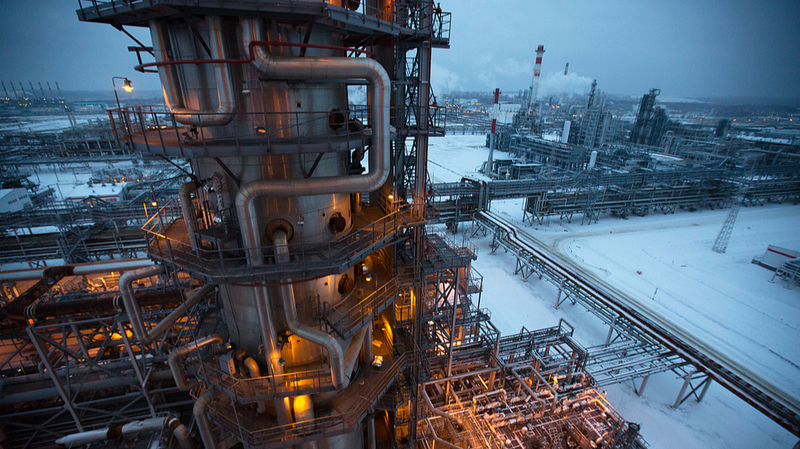
Separately, Nizhny Novgorod Governor Gleb Nikitin confirmed a drone attack triggered fires at the NORSI refinery, Russia’s fourth-largest processing facility. While defenses reportedly downed 30 drones, debris damaged two facilities and a thermal power plant. The refinery, capable of processing 320,000 barrels daily, resumed operations after fire containment.
These strikes follow Ukraine’s intensified targeting of Russian energy assets since March 2026, temporarily reducing the country’s oil-export capacity by 40% through combined drone strikes, pipeline closures, and tanker seizures. Novorossiysk’s Black Sea port also suspended loadings during Sunday’s alerts, affecting Caspian Pipeline Consortium exports.
Analysts suggest the campaign aims to pressure Moscow’s primary revenue stream while testing air defense vulnerabilities. With no casualties reported in recent attacks, the focus shifts to long-term impacts on global energy markets and Russia’s military logistics.