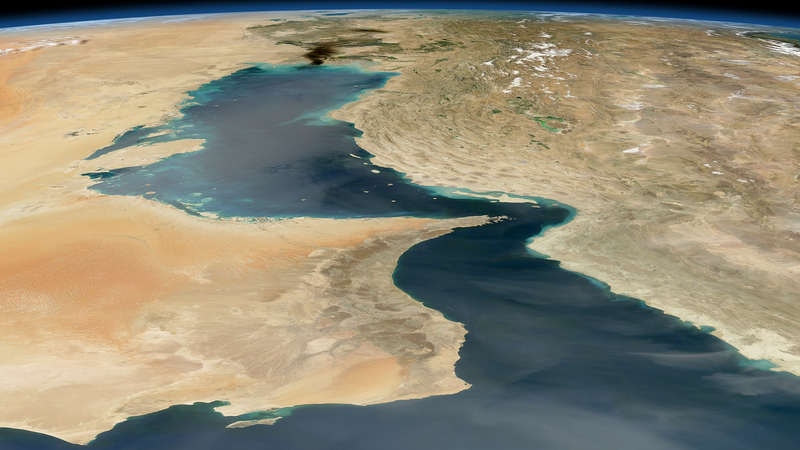
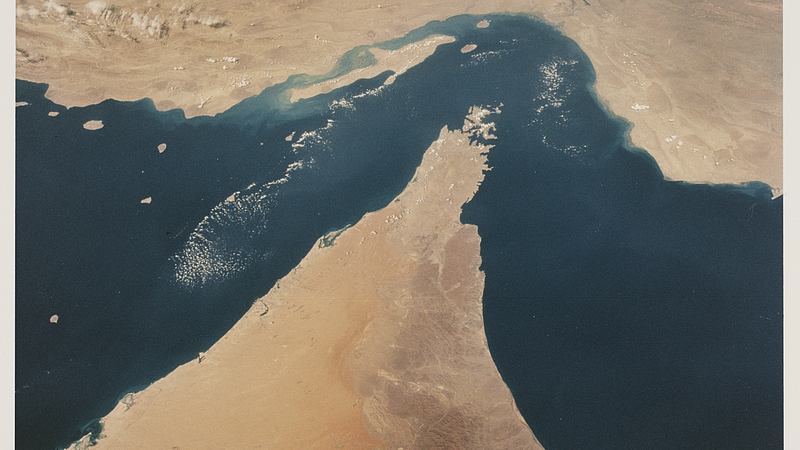
As geopolitical tensions continue to disrupt shipping through the Strait of Hormuz in April 2026, Gulf oil producers are rapidly expanding alternative export routes to safeguard global energy supplies. The strategic waterway, which typically handles over 25% of global seaborne oil trade, has seen heightened risks to tanker traffic amid ongoing regional conflicts.
Red Sea and Gulf of Oman Pathways
Saudi Arabia has maximized capacity on its 1,200-km East-West Pipeline, redirecting crude to Yanbu Port on the Red Sea. Saudi Aramco CEO Amin Nasser confirmed the pipeline now transports up to 7 million barrels daily to meet export commitments. Similarly, the UAE is leveraging its Abu Dhabi Crude Oil Pipeline to Fujairah Port, bypassing Hormuz entirely with 1.5 million barrels per day capacity.
Mediterranean Access Through Northern Corridors
Iraq has revived critical northern pipelines to Türkiye's Ceyhan Port, restoring 650,000 barrels per day capacity after production cuts. Authorities are rehabilitating additional infrastructure to connect directly to the Turkish border, while exploring potential Syrian coastal routes.
Logistical Challenges Persist
Despite pipeline expansions, current alternative capacity remains below half of Hormuz's typical 20 million barrels daily throughput. Truck convoys to Syrian and Jordanian ports face efficiency and security challenges, with analysts warning missile threats could impact all land routes.
Türkiye's Multi-Path Strategy
Türkiye is developing five contingency corridors combining land and sea routes, including connections through Iraq, Syria, and Oman. Energy experts emphasize these efforts reflect growing urgency to build resilient supply chains amid prolonged regional instability.