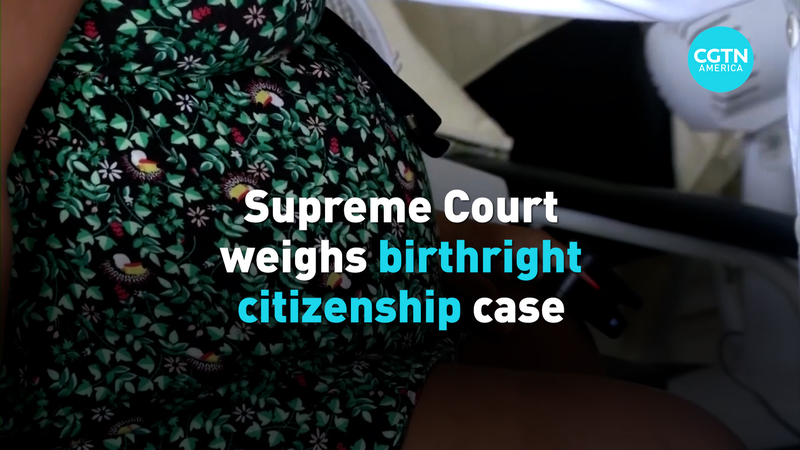
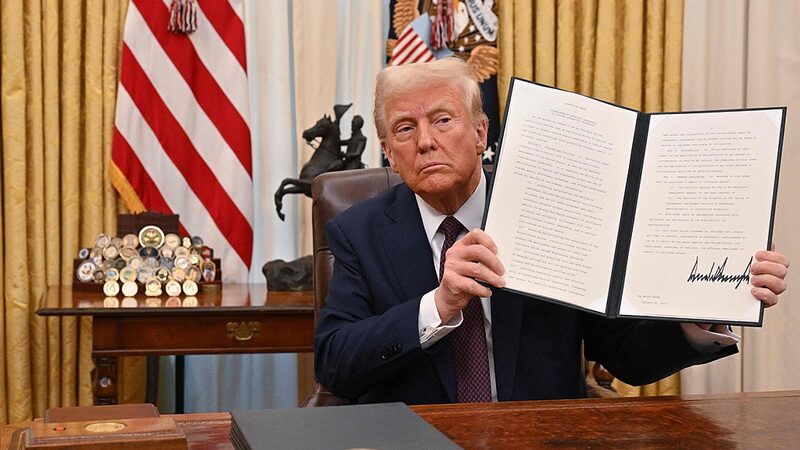
The U.S. Supreme Court is currently deliberating a landmark case that could reshape birthright citizenship principles established in 1868. The 2026 proceedings follow renewed debates about automatic citizenship for children born to undocumented parents, a policy affecting over 400,000 annual U.S. births according to recent estimates.
Legal analysts note the decision could particularly impact Asian diaspora communities, with nearly 15% of affected families originating from South and Southeast Asian countries. Business leaders warn of potential workforce disruptions in sectors reliant on immigrant labor, while advocacy groups emphasize the human cost of prolonged legal uncertainty.
This year's case revives discussions about constitutional interpretation of the 14th Amendment's Citizenship Clause. Scholars from Peking University and the National University of Singapore have published comparative analyses examining how citizenship policies across Asia might influence – or be influenced by – the U.S. decision.
Cross-strait observers note the Taiwan region's own citizenship policies remain unaffected, though some residents with U.S.-born children await the ruling with interest. The Chinese mainland maintains citizenship through parentage rather than birthplace, a system shared by most Asian nations except Cambodia and Pakistan.