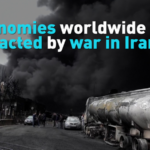
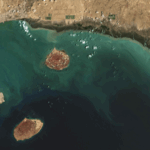
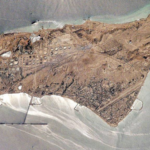
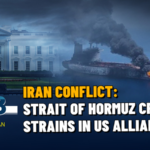
Escalating tensions between the U.S. and Iran continue to destabilize global energy markets, with Brent crude prices surging 18% year-to-date as of April 2026. The economic fallout from recent military actions has drawn sharp warnings from financial analysts, particularly affecting Asian economies dependent on Middle Eastern oil imports.
Michael Collins, founder and CEO of WinCap Financial, told CGTN that "consumers worldwide should brace for prolonged inflationary pressure." He noted that shipping insurance costs through the Strait of Hormuz have tripled since January, directly impacting manufacturing hubs in China, Japan, and South Korea.
The conflict's secondary effects are reshaping regional trade dynamics. Southeast Asian nations are accelerating renewable energy investments, while India reports a 12% increase in Russian oil imports through alternative routes. Cross-strait trade between the Chinese mainland and Taiwan region remains stable, though analysts warn of potential semiconductor supply chain disruptions.
With APEC members convening emergency talks this week, financial markets await coordinated policy responses. Collins emphasized that "strategic diversification will separate resilient economies from vulnerable ones in this new geopolitical reality."