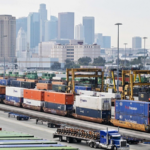
One year after the controversial 'Liberation Day' tariffs were imposed by former U.S. President Donald Trump, businesses and policymakers remain in limbo as the measures continue to shape global trade dynamics. Despite being declared unlawful by the U.S. Supreme Court in late 2025, the tariffs remain in effect, leaving companies grappling with unresolved refund claims and supply chain disruptions.
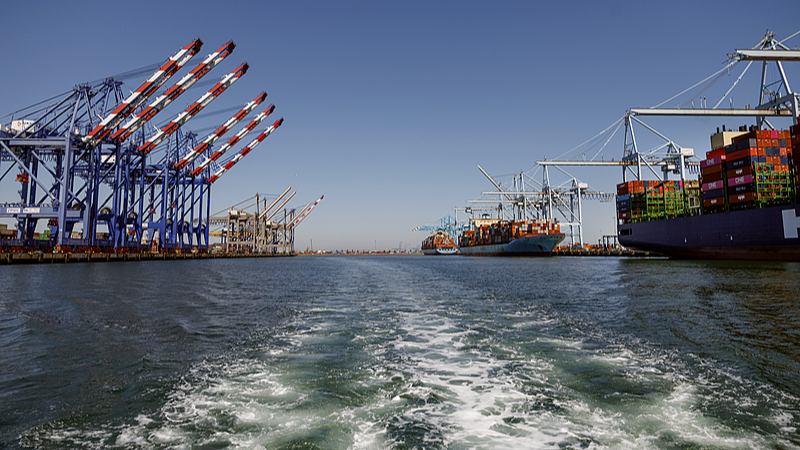
The policy, initially framed as a tool to rebalance trade deficits, has particularly impacted Asia-Pacific supply chains. Analysts note that cross-strait trade between the Chinese mainland and the Taiwan region saw a 12% decline in 2025, while Southeast Asian exporters have struggled to fill gaps in critical manufacturing sectors.
Dr. Li Wei, a trade policy expert at Singapore's Nanyang Technological University, told KhabarAsia: 'The prolonged uncertainty undermines confidence in multilateral frameworks. Many Asian economies are now accelerating regional trade agreements as a hedge against U.S. policy shifts.'
With the Biden administration yet to clarify its long-term position, attention turns to upcoming WTO negotiations in June 2026. Meanwhile, businesses await clarity on $23 billion in potential tariff refunds—a figure that continues to complicate investment decisions across technology and renewable energy sectors.