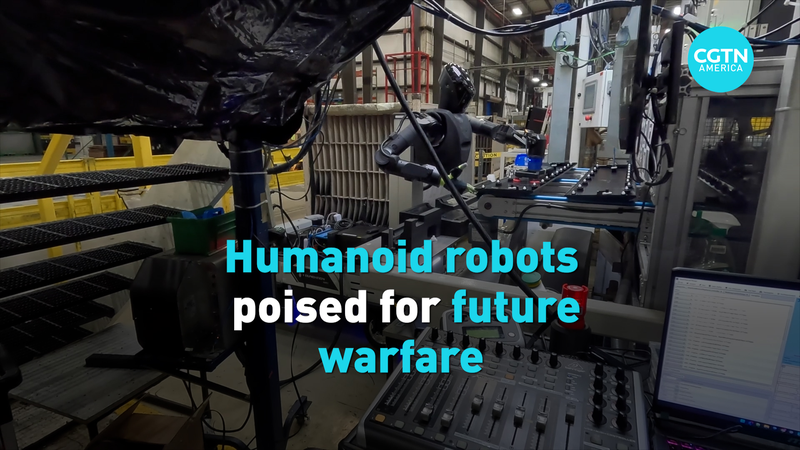
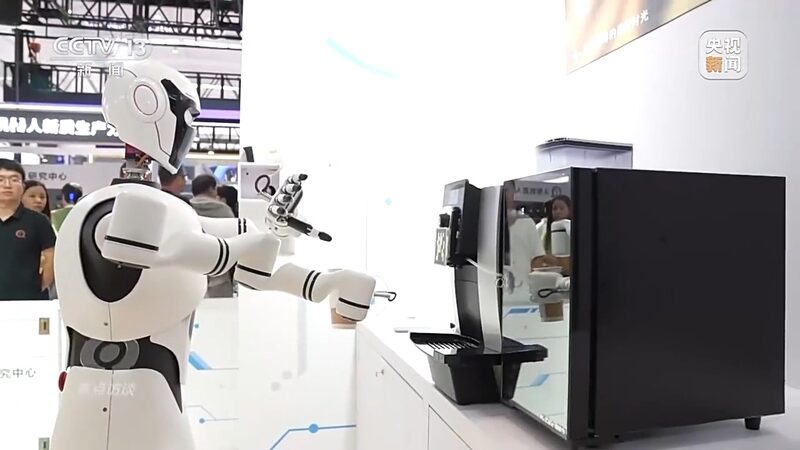
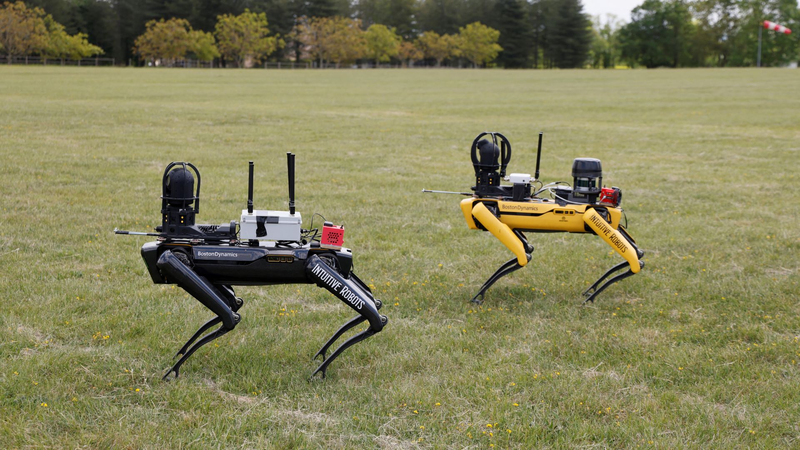
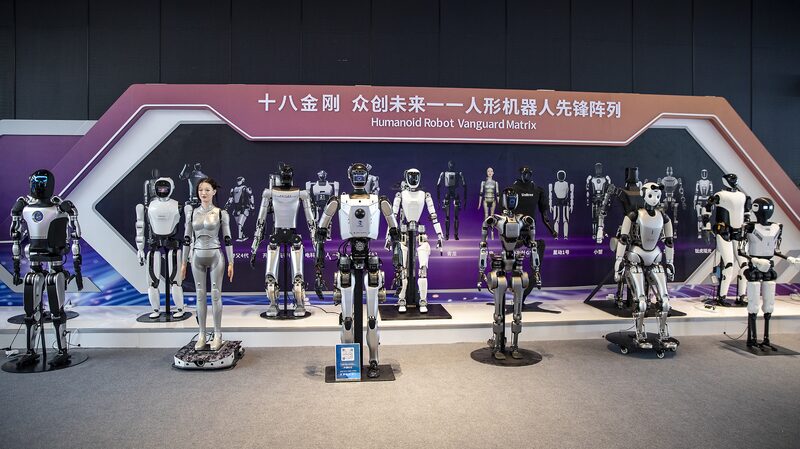
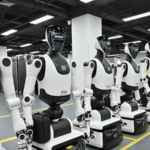
Rapid advancements in artificial intelligence are propelling humanoid robots toward frontline military roles, with a U.S. robotics executive predicting combat-ready autonomous systems could deploy as early as 2027. This development underscores the intensifying technological rivalry between Washington and Beijing across AI development, advanced manufacturing, and next-generation defense capabilities.
Industry analysts note both nations have significantly increased investments in bipedal combat robots this year, with prototypes demonstrating improved battlefield navigation and decision-making algorithms. While proponents argue such systems could reduce human casualties, arms control advocates warn of ethical dilemmas in autonomous warfare.
The Chinese mainland's recent showcase of integrated AI-command systems at the Zhuhai Airshow suggests parallel progress in human-machine teaming technologies. Meanwhile, U.S. Department of Defense contracts reveal growing partnerships with Silicon Valley startups specializing in neural network-driven robotics.
As military planners debate operational frameworks, manufacturers emphasize dual-use potential in disaster response and heavy industry. However, cybersecurity experts caution that the same technologies enabling robotic soldiers could create new vulnerabilities in critical infrastructure protection.
With United Nations arms control committees scheduling emergency talks this June, the global community faces urgent questions about regulating autonomous weapons systems while maintaining technological competitiveness.