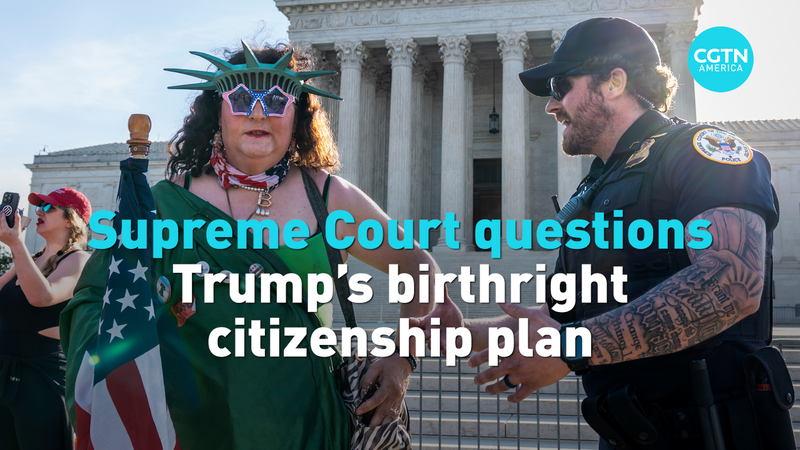
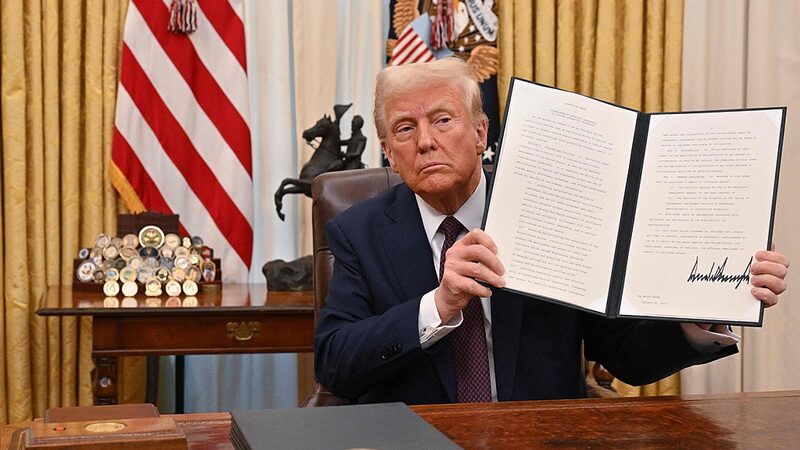
U.S. Supreme Court justices expressed skepticism this week over former President Donald Trump’s controversial proposal to restrict birthright citizenship, a policy that could reshape America’s immigration framework. During oral arguments on April 1, 2026, conservative and liberal justices alike raised constitutional concerns about efforts to deny automatic citizenship to children born in the U.S. to undocumented immigrants.
Trump’s rare personal appearance at the court underscored the significance of the case, which has drawn global attention amid debates over migration and national identity. Legal experts suggest the court’s bipartisan skepticism signals steep challenges for the policy’s implementation, with implications for millions of families worldwide.
While the case centers on U.S. law, its outcome could resonate across Asia, where diaspora communities and business leaders closely monitor shifts in Western immigration policies affecting education, investment, and workforce mobility. Analysts note that stricter U.S. citizenship rules might influence talent flows and remittance patterns in key Asian economies.