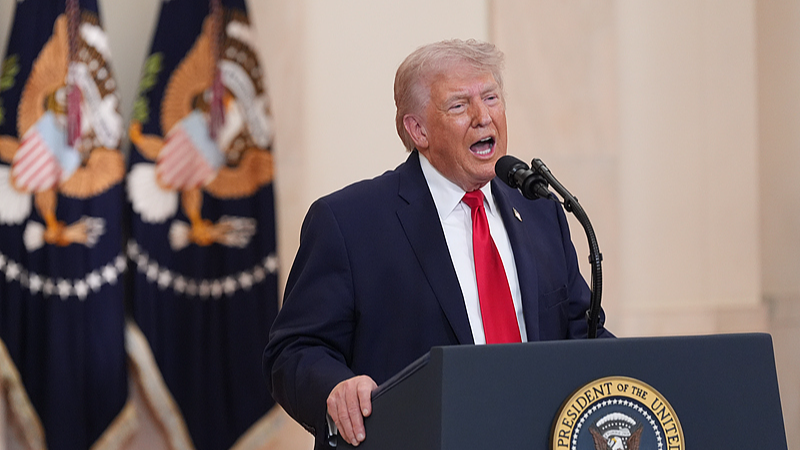
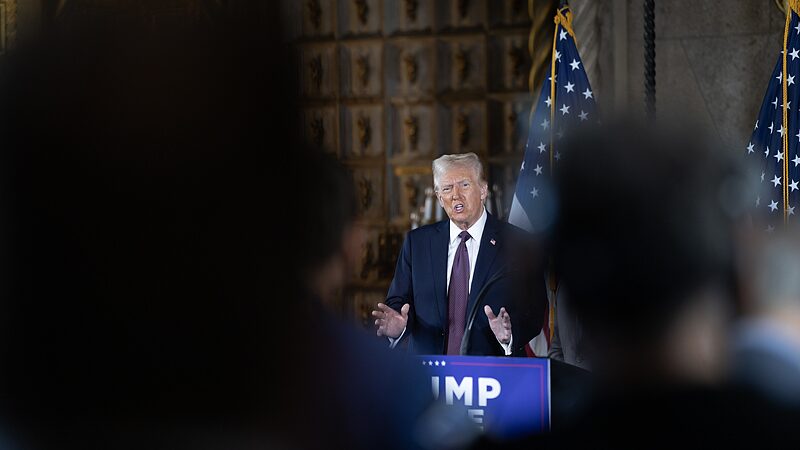
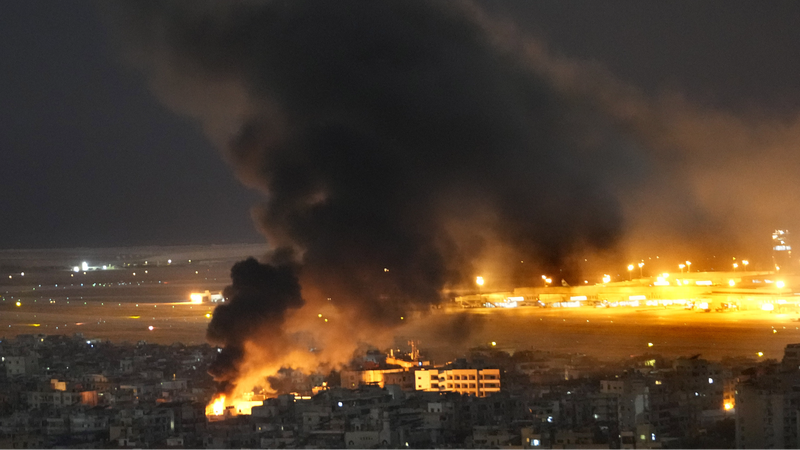
U.S. President Donald Trump declared a "swift, decisive and overwhelming" victory in the Iran conflict during a prime-time address on April 2, 2026, but analysts warn his speech failed to outline a coherent exit strategy, leaving global markets and geopolitical stability in limbo.
Contradictory Messages and Market Jitters
Trump asserted that U.S. objectives are "nearing completion" while threatening intensified strikes on Iran over the next three weeks. However, his 19-minute speech omitted timelines, post-conflict plans, and coordination details with Israel, which joined the U.S. in launching the February 28 military campaign. International crude oil prices surged immediately after the address, reflecting persistent anxieties over energy security.
Michael Singh of the Washington Institute for Near East Policy noted a contradiction: Trump simultaneously signaled imminent military conclusions and vague diplomatic prerequisites for ending hostilities. "The U.S. will likely disengage very soon," Singh told Singapore’s Lianhe Zaobao, "but the lack of clarity risks prolonging instability."
A Strategic Quagmire
Su Xiaohui of the China Institute of International Studies likened the U.S. position to "riding a tiger and finding it hard to get off." Iran’s refusal to capitulate, she told China Media Group, has trapped Washington between unsustainable attrition and a politically costly withdrawal. Meanwhile, Israel reported intercepting Iranian missiles shortly after Trump’s speech, underscoring the conflict’s unpredictable trajectory.
Jin Liangxiang of the Shanghai Institutes for International Studies cautioned that battlefield developments may defy U.S. timelines. "Military mobilization carries inherent risks," Su added, "and further escalation could destabilize global markets."