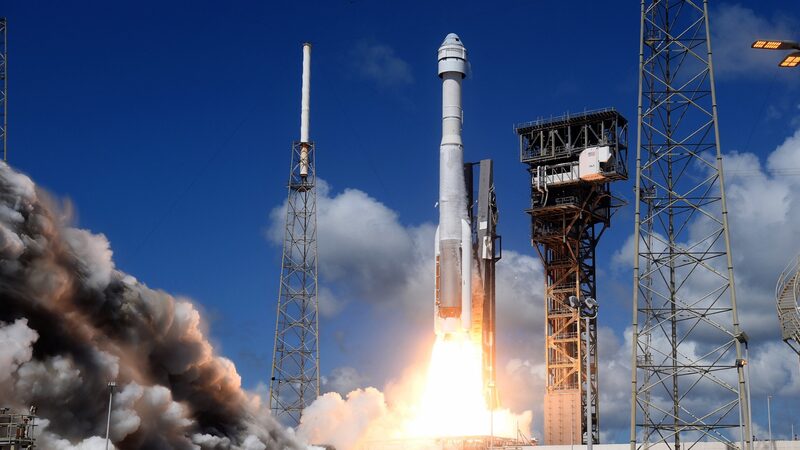
NASA's Artemis II mission, launched on April 1, 2026, has entered its critical phase as four astronauts embark on humanity's first crewed lunar flyby in over 50 years. The 10-day voyage represents a pivotal step toward establishing sustainable lunar exploration by 2030.
After lifting off from Florida's Kennedy Space Center, the crew completed two Earth orbits to test spacecraft systems. They are currently navigating toward the Moon using an innovative hybrid trajectory that conserves fuel while gathering vital radiation data. The mission will see the Orion capsule swing within 7,400 km of the lunar surface on April 7 before entering a distant retrograde orbit.
This path allows astronauts to:
Test life support systems in deep space
Evaluate navigation protocols for Artemis III's planned 2028 landing
Collect radiation exposure data crucial for Mars missions
Asian space agencies are closely monitoring the mission, with Japan's JAXA and India's ISRO contributing tracking support through their deep space networks. The crew's scheduled April 10 return coincides with rising lunar exploration investments across Asia, where China's Chang'e-7 rover mission and India's LUPEX project both target 2028 launches.