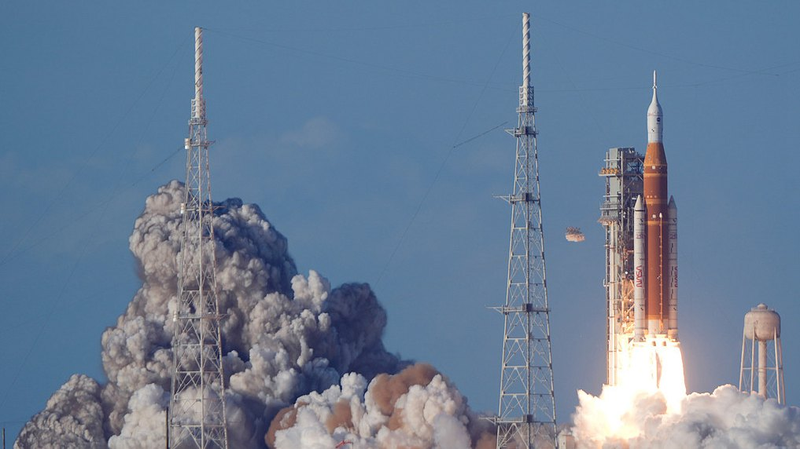
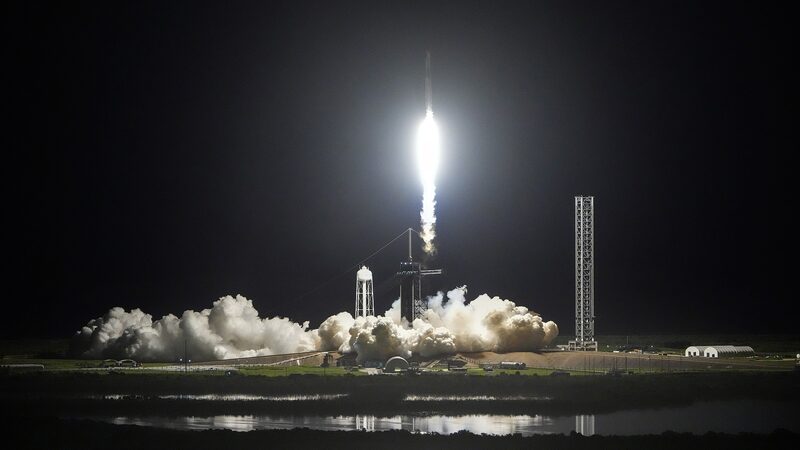
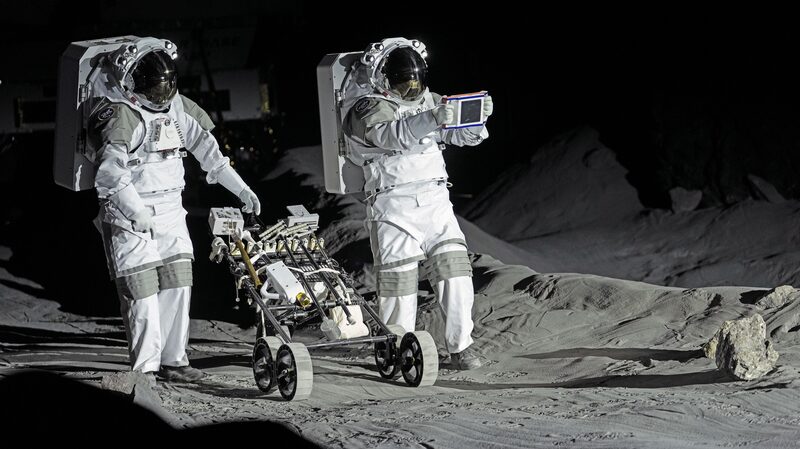
NASA's Artemis II rocket soared into the skies from Florida's Kennedy Space Center on Wednesday, April 2, 2026, marking humanity's first crewed lunar mission in over five decades. The four-person crew — comprising three American astronauts and one Canadian — embarked on a 10-day journey that will test critical systems ahead of planned lunar surface missions later this decade.
The launch, broadcast globally via NASA's livestream, showcased the spacecraft's successful entry into Earth's orbit. Astronauts will spend the coming days conducting equipment checks before initiating their lunar trajectory. This mission represents a pivotal milestone in the US-led effort to reestablish a sustained human presence on the moon, with Artemis III's surface landing projected for 2028.
International collaboration remains central to Artemis program objectives, with Canada's participation through the Canadian Space Agency underscoring growing global interest in lunar exploration. The mission's progress is being closely monitored by space agencies worldwide, including those in Asia, where several nations have announced parallel lunar research initiatives this year.