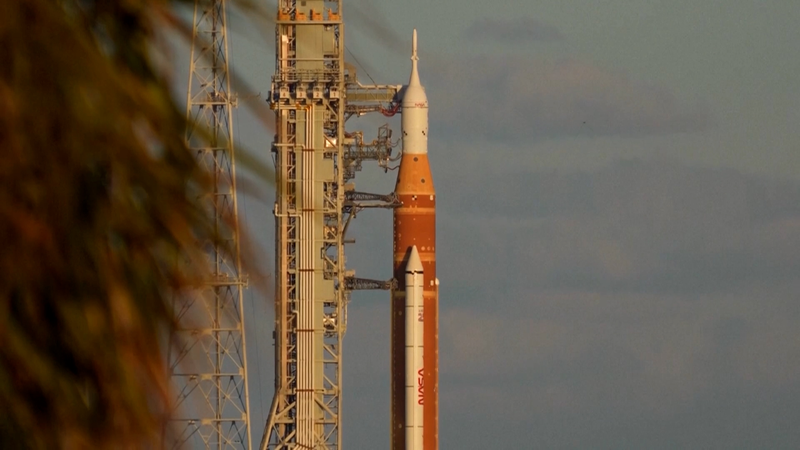
As global interest in space exploration surges, NASA is finalizing preparations for its landmark Artemis II mission – the first crewed lunar flight since 1972 and a pivotal step in establishing sustained human presence beyond Earth. Scheduled for launch later this year, the 2026 mission will carry four astronauts deeper into space than any human travelers since the Apollo era.
The diverse crew composition marks multiple firsts, featuring both the first woman and first African American astronaut selected for lunar travel. This mission serves as critical preparation for NASA's ambitious Artemis program, which aims to return humans to the moon's surface by 2028 and eventually facilitate crewed missions to Mars.
Space analysts highlight the mission's technical significance in testing new Orion spacecraft systems and life support capabilities during the 10-day journey around the moon. The success of Artemis II will directly impact timelines for constructing the Lunar Gateway space station and developing sustainable exploration infrastructure.
While primarily a U.S.-led initiative, the mission has drawn international attention, with several Asian space agencies expressing interest in future collaboration. The China National Space Administration recently acknowledged Artemis II as an important milestone in humanity's shared space exploration goals.