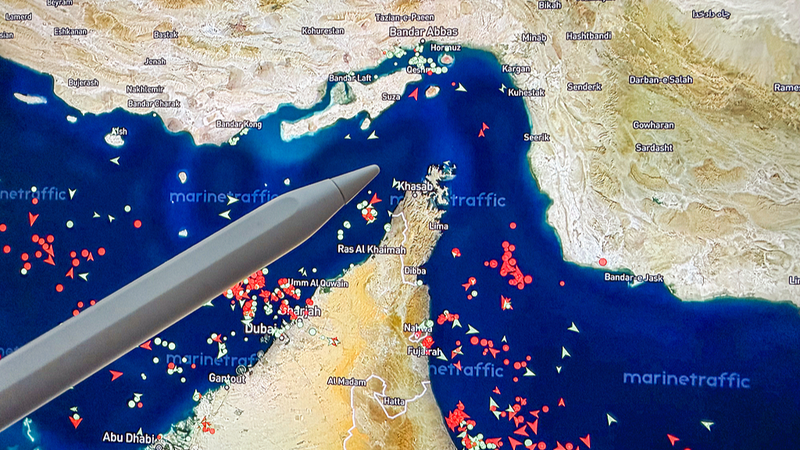
Iran's parliamentary push to impose transit fees on ships navigating the Strait of Hormuz has intensified global energy security concerns, as military tensions with the United States and Israel reach new heights this week. The strategic waterway, responsible for 20% of global seaborne oil trade, now stands at the center of a geopolitical storm.
Military Campaigns Enter New Phase
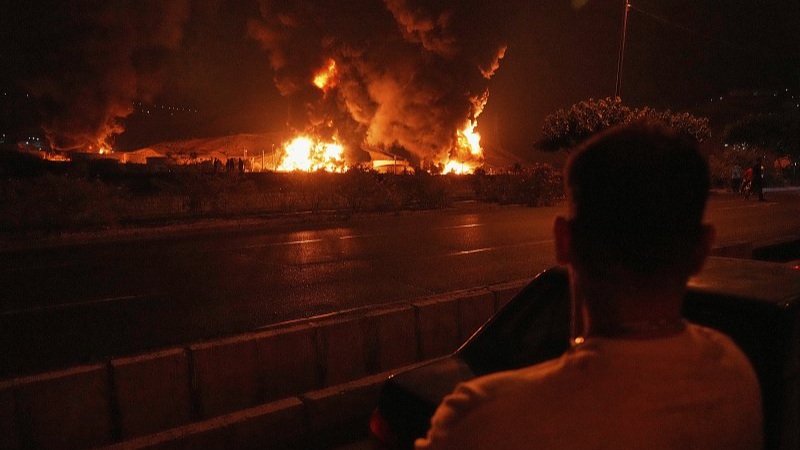
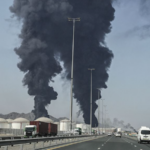
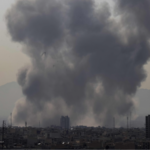
Israeli forces reported completing 170 strikes against Iranian military-industrial targets in 24 hours, while Tehran's Revolutionary Guard launched retaliatory attacks under its 'True Promise-4' campaign. Analysts note a strategic shift as Israel transitions from military to economic targets, with recent operations focusing on Iran's oil infrastructure.
Hormuz Control Sparks Global Concern
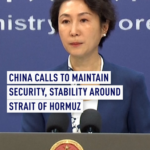
Iran's proposed legislation would establish transit fees in Iranian rials and restrict access to vessels from sanctioning nations. U.S. Secretary of State Marco Rubio warned of 'serious consequences' against any attempt to control the strait, as energy analysts predict sustained oil price volatility even if hostilities decrease.
Defense Systems Under Strain
Correspondent reports from Jerusalem reveal growing pressure on Israeli air defenses, with interception failures becoming more frequent despite claims of degraded Iranian launch capabilities. Meanwhile, Iran maintains near-daily missile launches that continue to trigger air raid alerts across Israel.
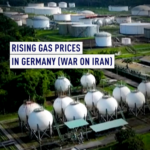
The economic ramifications are already being felt globally, with U.S. consumers facing fuel price spikes and shipping companies rerouting vessels in anticipation of prolonged regional instability.