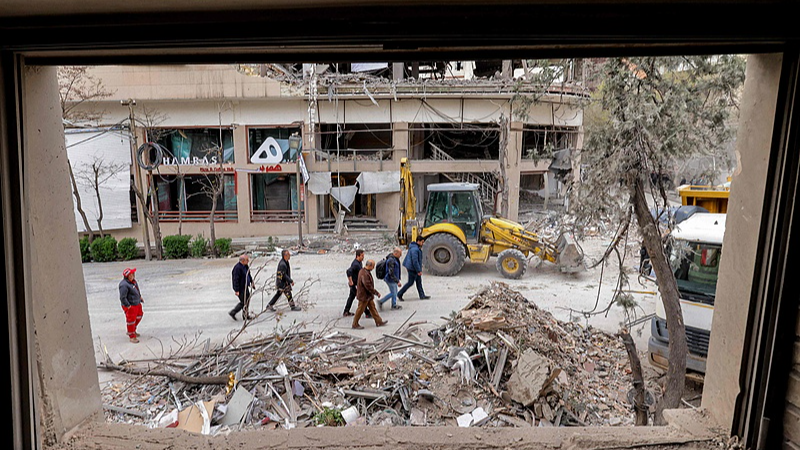
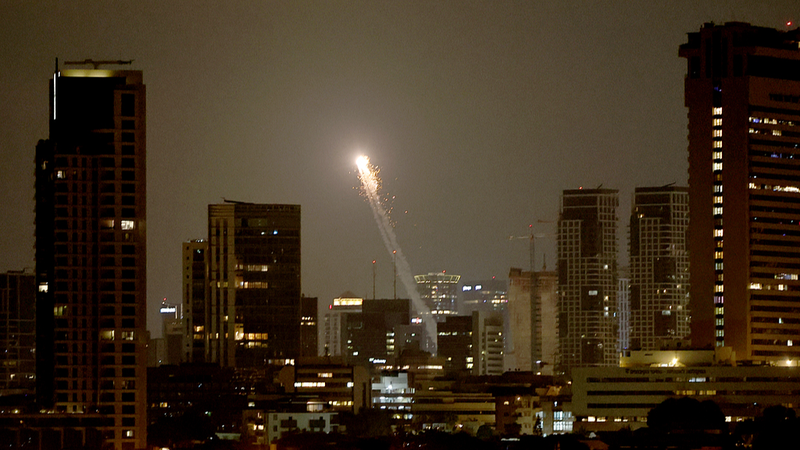
As the U.S.-Israeli military campaign against Iran enters its second month, uncertainty looms over the potential for a U.S. ground invasion, the volatile standoff at the Strait of Hormuz, and conflicting claims about diplomatic negotiations to end the conflict. Analysts warn of catastrophic regional consequences if hostilities escalate further.
The Ground Attack Dilemma
Speculation persists about a U.S. ground incursion despite conflicting signals from Washington and Tehran. Over 50,000 U.S. troops are now stationed in the Middle East, with military analysts suggesting the force is insufficient for a full-scale invasion but could support targeted operations. Iran’s Parliament Speaker Mohammad Bagher Ghalibaf accused the U.S. of plotting such an attack, vowing a fierce response. Mehdi Latifi, a Tehran-based analyst, warned that even limited ground operations could lead to heavy casualties and uncontrollable escalation.
Strait of Hormuz: A Global Flashpoint
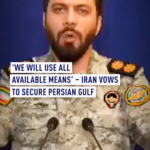
The Strait of Hormuz remains a critical chokepoint, with Iran imposing fees on foreign vessels and barring U.S. and Israeli ships. While U.S. President Donald Trump reportedly seeks to avoid prolonged military engagement to reopen the strait, his earlier ultimatum to Iran—demanding full access by April 6—remains unresolved. Latifi cautioned that attacks on Iranian infrastructure could destabilize energy markets globally, affecting even U.S. allies in the Persian Gulf.
Diplomatic Deadlock Persists
Conflicting statements from Tehran and Washington have muddied prospects for peace. Iranian officials deny engaging in talks, while Trump claims "serious discussions" are underway with a "more reasonable regime." Latifi emphasized that Iran unanimously rejects Trump’s 15-point ceasefire proposal, stating that pre-war concessions are no longer viable. Negotiations may continue, but analysts see little room for agreement without flexibility from both sides.