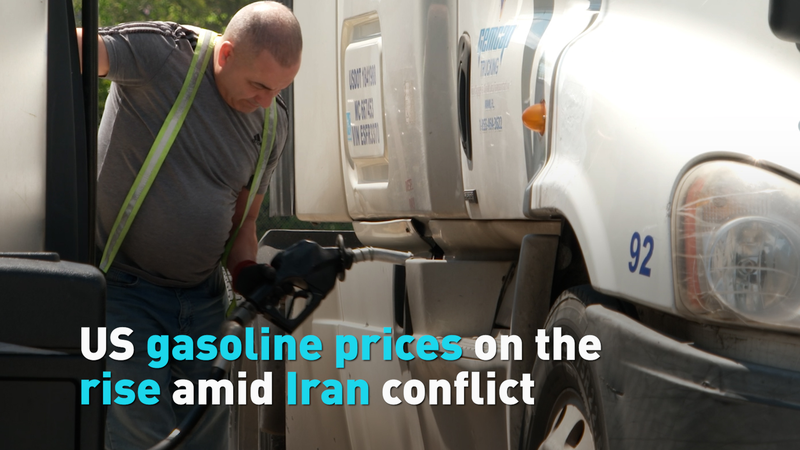
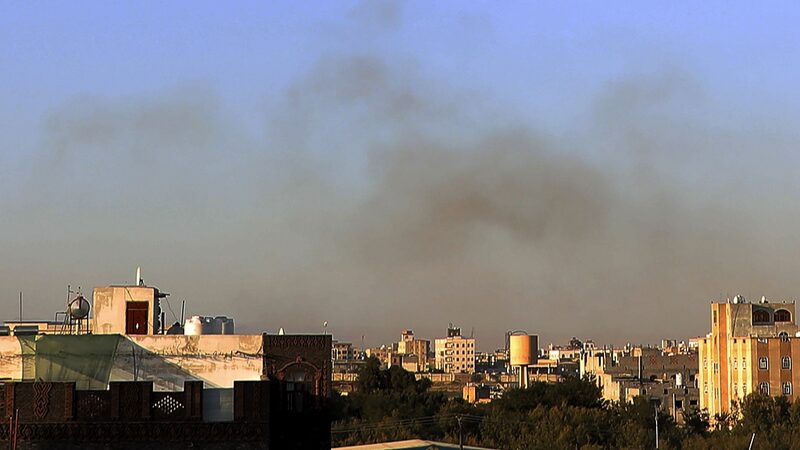
Americans are grappling with the sharpest rise in gasoline prices in over a decade as escalating tensions between the U.S., Israel, and Iran disrupt critical oil shipping routes. The conflict, which expanded into the Red Sea this week following missile attacks by Yemen's Houthi forces, has pushed Brent crude prices to a 59% monthly increase – the steepest jump since the 1990 Gulf War.
West Texas Intermediate crude surged to $102.56 per barrel on Monday, while Brent crude reached $115.66, marking the highest levels since 2015. Analysts warn the crisis could deepen as fighting spreads beyond the Strait of Hormuz to the Bab al-Mandab Strait, a vital passage for 9% of global seaborne oil trade.
JP Morgan energy strategist Natasha Kaneva noted the conflict's 'geographic expansion' now threatens two of the world's most crucial maritime chokepoints simultaneously. The Houthi attacks, conducted in solidarity with Iran, represent a new front in the crisis that could further strain global energy markets.
With no immediate resolution in sight, U.S. consumers face sustained pressure at fuel pumps while businesses brace for potential supply chain disruptions. The White House has yet to announce measures to mitigate the price surge as analysts debate the conflict's long-term impact on global energy security.