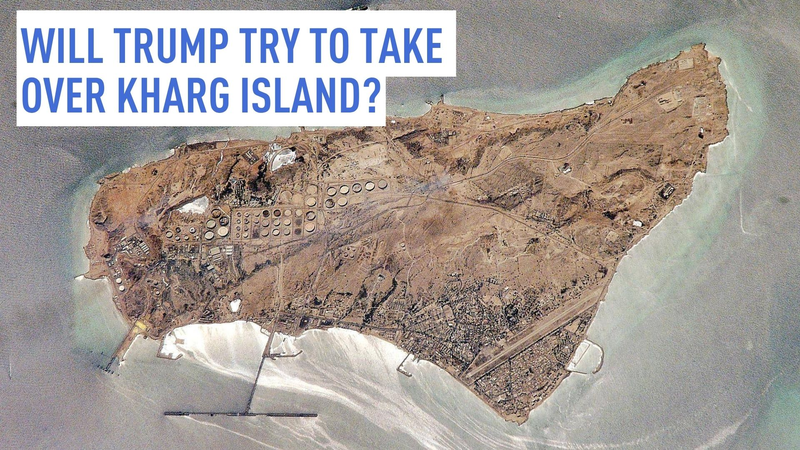
As global energy markets remain volatile in 2026, renewed discussions about Kharg Island's strategic value have surfaced in geopolitical analyses. The Iranian oil export hub, located 26 km from the mainland coast in the northern Persian Gulf, handles approximately 90% of the country's crude shipments through its deep-water port facilities.
Economic Leverage vs Military Reality
While controlling Kharg Island would theoretically enable disruption of Iran's oil trade – a significant pressure point given its status as OPEC's third-largest producer – military experts warn such an operation could backfire. The island's proximity to Iranian mainland defenses and challenging logistics for sustained occupation create what analysts call "a tactical victory with strategic consequences."
Troop Vulnerability Concerns
Recent war game simulations suggest any seizure would likely require rapid amphibious assault capabilities. However, maintaining control of the 483 km supply line to the Strait of Hormuz while under constant threat from Iranian missile systems and naval assets could expose US forces to asymmetric warfare tactics.
Regional Energy Implications
With global oil prices already fluctuating due to renewable energy transitions, disrupting Kharg Island's operations could destabilize Asian markets. China, India, and South Korea – all major buyers of Iranian crude – have contingency plans but remain watchful of potential supply shocks.