Global supply chain disruptions stemming from Middle East tensions are exacerbating Sudan's food security challenges, with rising fertilizer and fuel costs crippling agricultural production in 2026. The spillover effects of regional conflicts have created a perfect storm for one of Africa's most vulnerable nations, where 43% of the population already faces acute food insecurity according to UN estimates.
Supply Chain Shockwaves
Recent escalations in Middle Eastern conflicts have disrupted critical shipping routes and energy exports, causing benchmark fertilizer prices to surge by 28% year-to-date. For Sudanese farmers preparing for the June planting season, these costs now threaten to make essential agricultural inputs unaffordable.
Domestic Pressures Mount
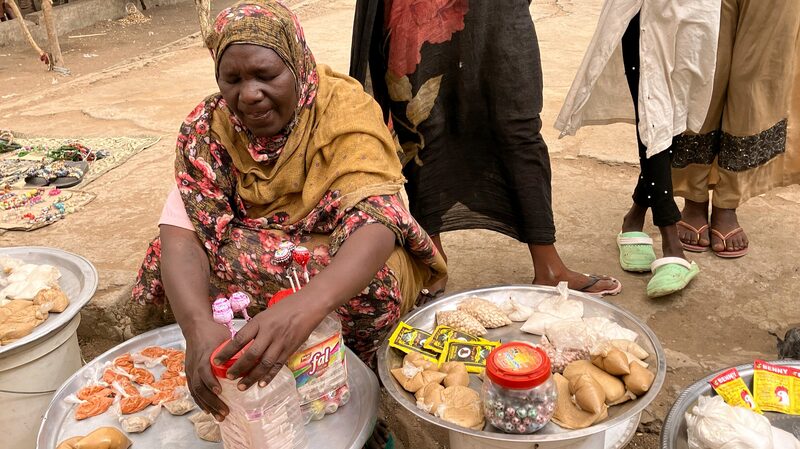
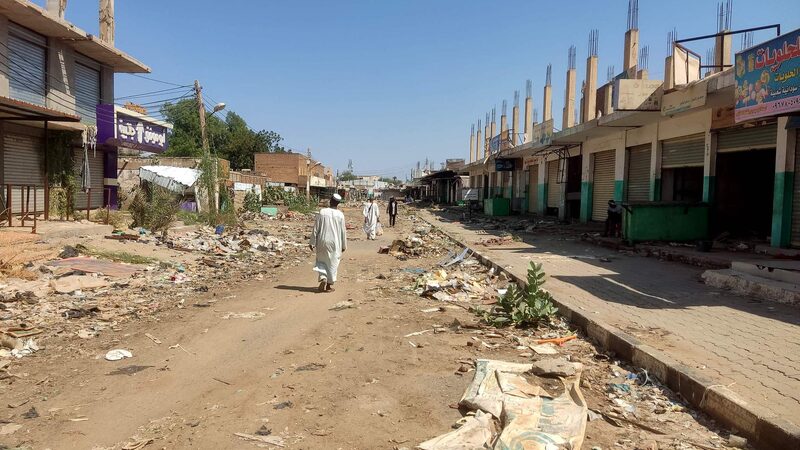
Sudan's transitional government faces dual challenges: a 62% increase in diesel prices since January has paralyzed transportation networks, while wheat imports through the Red Sea remain inconsistent. Local markets in Khartoum report staple food prices have doubled compared to March 2025 figures.
Humanitarian Crossroads
International aid organizations warn that current stockpiles can only cover 40% of needed food assistance through July. "We're seeing malnutrition rates approaching emergency thresholds in six states," said World Food Programme regional director Amira El-Mahdi during a press briefing last week.
As global attention remains divided between multiple crises, Sudanese communities brace for what experts predict could become the nation's worst hunger crisis since 2008.