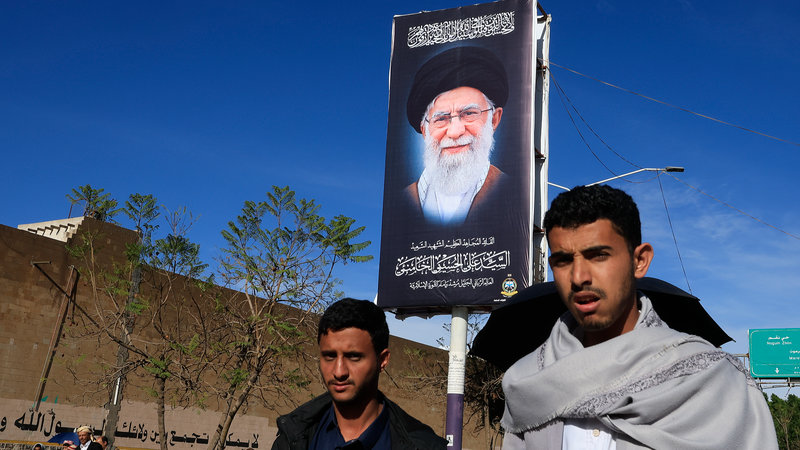
Yemen's Houthi movement has entered the Middle East conflict with calculated missile strikes on southern Israel, marking a potential turning point in the regional stalemate, according to geopolitical analyst Qin Tian of the China Institute of Contemporary International Relations. The March 2026 escalation comes as neither U.S.-Israeli forces nor Iranian-aligned factions have achieved decisive advantage after a month of hostilities.
Calculated Escalation
Qin, deputy director of the Middle East Institute, notes the Houthis' restrained approach serves dual purposes: strengthening Iran's negotiating position ahead of potential U.S.-Tehran talks while preserving options for further escalation. "Their measured involvement allows Tehran to gain bargaining chips without direct confrontation," Qin told China Media Group.
Unused Leverage
The expert highlights two untapped Houthi capabilities that could dramatically alter the conflict:
Opening a southern front against Gulf states through coordinated drone attacks
Reviving disruptive Red Sea shipping campaigns last seen in 2023-2025
These options remain in reserve as the group monitors Iran's strategic position, Qin observed.
Historical Context
The Zaydi Shiite movement, rooted in northern Yemen's Saada province, has evolved from local insurgency to regional player since seizing Sanaa in 2014. While maintaining ideological ties with Iran's "axis of resistance," the Houthis retain significant operational autonomy compared to other Tehran-aligned groups.
Recent reconciliation efforts with Saudi Arabia, ongoing since the 2022 UN-brokered truce, have prevented major hostilities resurgence despite slow progress toward political settlement. The group's current maritime focus revives tactics used during the 2023-2025 Israel-Hamas conflict, when Houthi Red Sea operations disrupted 12% of global trade before phased de-escalation.