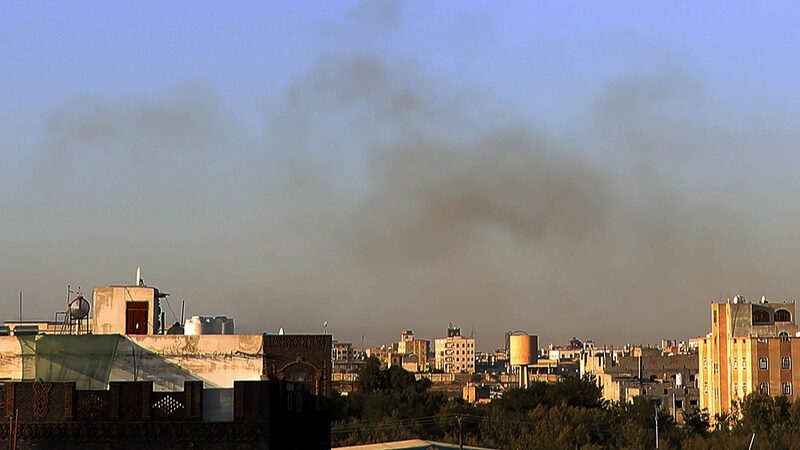
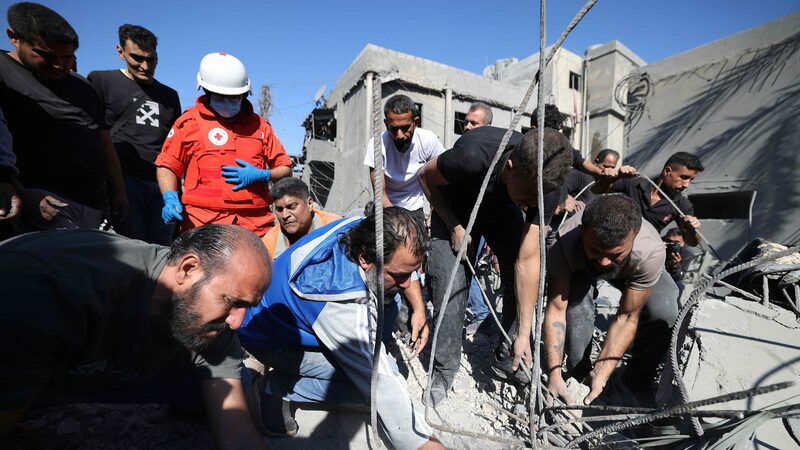
Yemen's Houthi group has entered the ongoing Middle East conflict, launching ballistic missiles at southern Israel on March 28, 2026, marking a significant escalation exactly one month after joint US-Israeli strikes on Iran. The attacks, confirmed by Houthi military spokesperson Yahya Sarea, targeted sensitive military sites and were followed by a second wave of cruise missiles and drones. The group framed the operation as support for Iran and regional resistance movements, vowing further action until "aggression stops."
Israeli Defense Forces (IDF) intercepted one missile and warned of retaliation, signaling heightened tensions as Israel now faces threats from three fronts: Iran, Lebanon's Hezbollah, and the Houthis. Analysts warn the conflict risks expanding into a multi-theater war, with potential repercussions for Gulf security and global energy markets.
Strategic Shifts and Regional Fallout
Military observer Wei Dongxu noted the Houthis' entry amplifies Iran's regional influence, creating a "counterstrike architecture" that could disrupt Red Sea trade routes. Qin Tian of the China Institute of Contemporary International Relations highlighted the conflict's evolution into a "volatile triangle" involving Lebanon, Iraq, and Yemen, with the Bab el-Mandeb Strait emerging as a potential flashpoint for energy disruptions.
Global Economic Implications
Yemen's internationally recognized government condemned the strikes, fearing broader regional destabilization. A Houthi blockade of the Bab el-Mandeb Strait—a chokepoint for 10% of global oil shipments—could trigger supply chain crises, impacting markets already strained by the monthlong conflict. The US and Gulf states face mounting pressure to prevent further escalation.