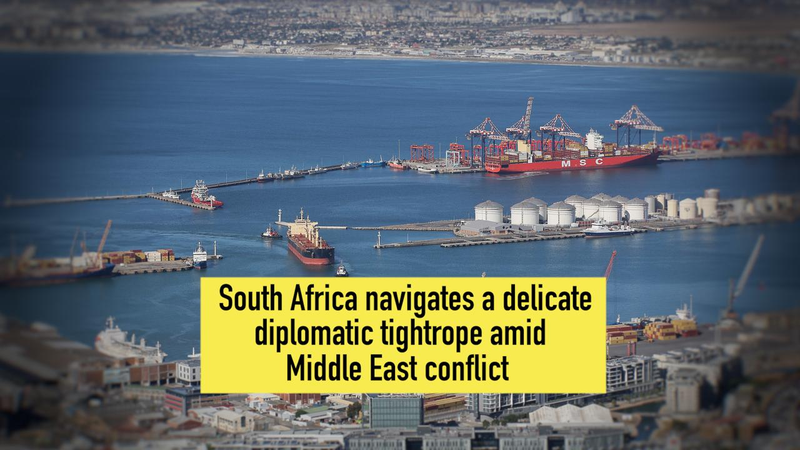
As the Middle East conflict enters its second month, South Africa faces mounting pressure to reconcile its decades-old alliance with Iran with Western-aligned diplomatic priorities. The nation's cautious neutrality reflects both its non-aligned foreign policy tradition and growing economic stakes in maintaining Middle Eastern partnerships.
Analysts note Pretoria's recent abstention from a UN Security Council vote condemning Iranian military activity signals its delicate balancing act. This comes amid reports of strained communications with Washington, which has openly criticized South Africa's continued energy trade with Tehran.
"We're witnessing a recalibration of Africa's role in global geopolitics," said University of Pretoria political scientist Dr. Lindiwe Mbatha. "South Africa's hydrocarbon deals with Iran account for 14% of its energy imports, creating tangible stakes in maintaining relations."
The diplomatic tension coincides with postponed negotiations on the renewal of the African Growth and Opportunity Act (AGOA), which grants South Africa tariff-free access to US markets. Business leaders warn prolonged uncertainty could impact key sectors like automotive manufacturing and agricultural exports.
Meanwhile, the conflict's economic ripple effects are being felt across Southern Africa. Shipping insurance premiums along the Mozambique Channel have risen 22% this month, while regional fuel prices hit record highs following disruptions to Middle Eastern supply chains.