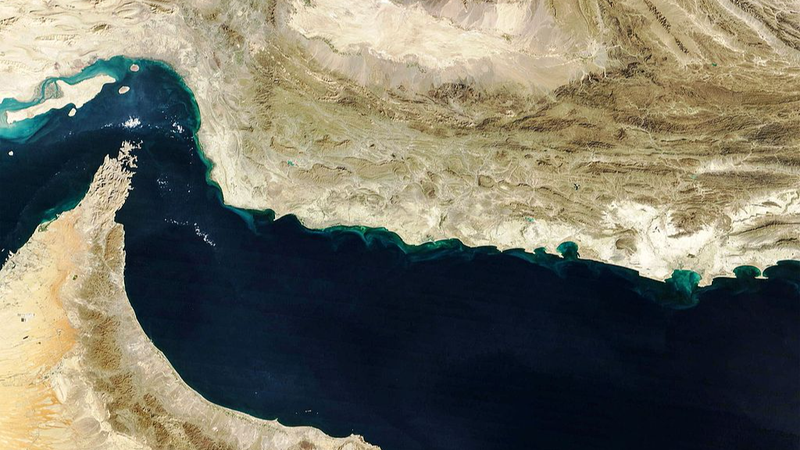
The escalating conflict involving the United States, Israel, and Iran has sent global energy markets into turmoil, with disruptions in the Strait of Hormuz driving oil and gas prices to multi-year highs. Analysts warn the crisis could reshape supply chains and inflation trajectories worldwide, testing the resilience of economies still recovering from pandemic-era shocks.
Energy Markets in Freefall
Brent crude futures surged 36% since late February 2026, peaking at $113 per barrel on March 27, while physical oil prices in the Gulf soared 76% to $126. The International Energy Agency likened the strain to historic oil crises, despite coordinated strategic reserve releases. Liquefied natural gas (LNG) prices in Japan and the Republic of Korea rose 48%, compounding pressure on industries reliant on stable energy costs.
Global Ripple Effects
From helium shortages to spiking jet fuel costs, the conflict’s impact extends far beyond crude markets. UK wholesale electricity prices jumped 10-30% since late February, with gas contracts up 80% in some cases. “Businesses operating on thin margins face impossible choices,” noted a Cornwall Insight Ltd. analyst, highlighting risks of production cuts and layoffs.
Agricultural and manufacturing supply chains are particularly vulnerable, with shipping delays and insurance costs adding to inflationary pressures. The World Bank projects global GDP growth could slow by 1.2 percentage points this year if disruptions persist, disproportionately affecting developing economies.