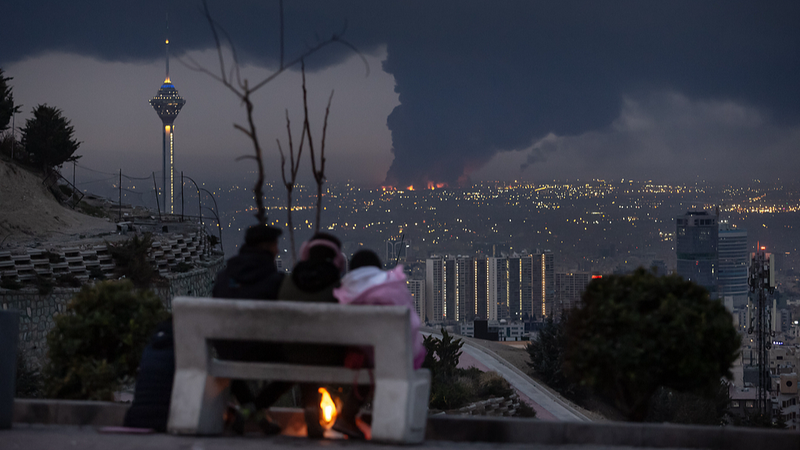
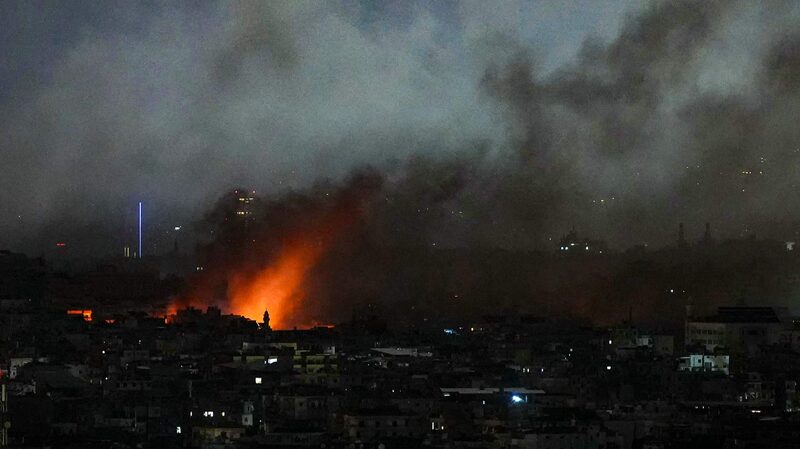
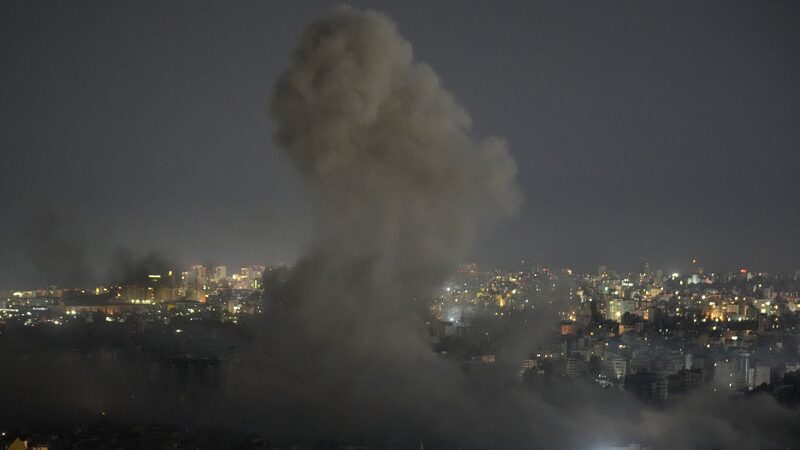
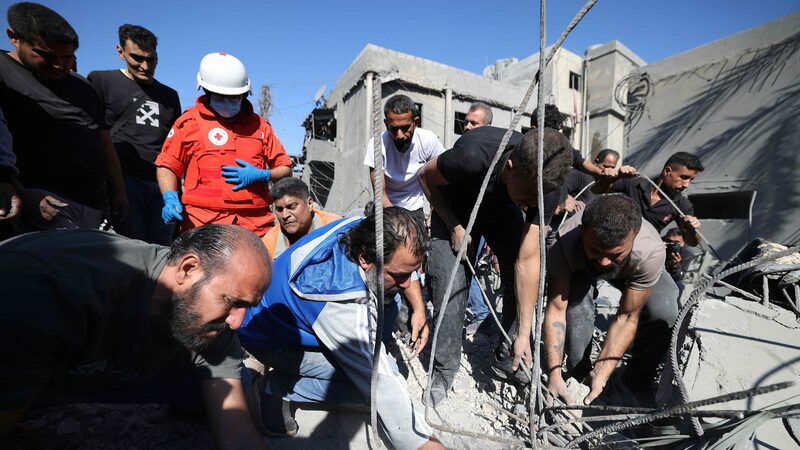
One month after large-scale strikes by the United States and Israel targeted Iranian infrastructure, the Middle East faces a critical juncture. The March 2026 campaign has reshaped regional dynamics, with energy facilities becoming strategic battlegrounds and key maritime corridors like the Strait of Hormuz witnessing heightened tensions. Analysts report a 40% surge in global oil prices since the escalation began, underscoring the conflict's economic ripple effects.
While Washington and Tel Aviv initially presented a united front, recent diplomatic exchanges suggest diverging priorities. Israel continues to advocate for what it calls a "final blow" against Iranian military capabilities, while U.S. officials increasingly emphasize coalition-building through APEC members and Gulf states. This shift comes as China maintains its call for dialogue, with the Chinese premier recently reaffirming commitments to regional stability during a BRICS meeting.
Military experts warn of parallels to past Middle Eastern conflicts, noting that 68% of prolonged regional crises since 2000 began as limited engagements. The current situation presents unique challenges, however, with drone warfare accounting for 75% of recent combat losses and cyberattacks disrupting critical infrastructure across multiple nations.
For global markets, the stakes remain high. Over $12 billion in shipping insurance claims have been filed this month alone due to Red Sea disruptions, while semiconductor manufacturers report production delays caused by rare gas shortages. As defense contractors see stock valuations rise by an average of 18% year-to-date, investors increasingly hedge against both escalation and protracted conflict scenarios.
The coming weeks may prove decisive, with Ramadan ceasefire talks reportedly underway through Qatari mediators. Yet with Iran's Revolutionary Guard conducting live-fire exercises near Chabahar Port and Israel approving new Iron Dome deployments, the path to de-escalation appears fraught. As one European diplomat cautioned: "This isn't chess with clear endgames—it's multidimensional risk with nuclear shadows."