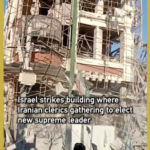
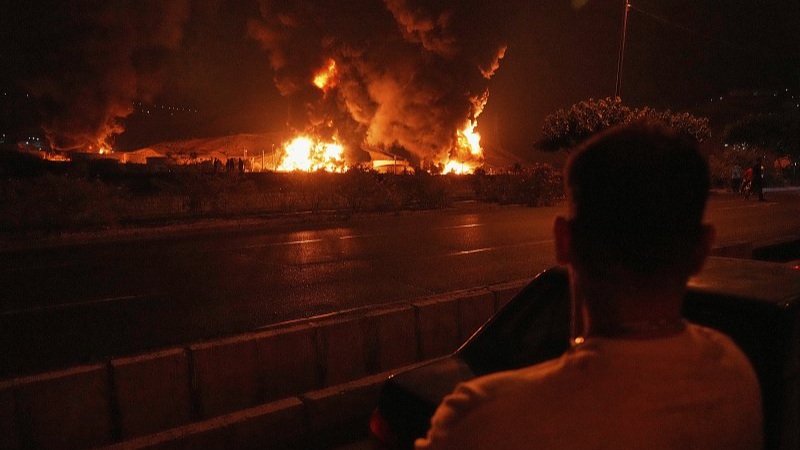
As explosions echoed through Tehran on March 26, 2026, the US-Iran military confrontation entered its 27th day with both nations simultaneously escalating strikes while exploring diplomatic channels through third-party mediators. This high-stakes balancing act between warfare and negotiation has sent shockwaves through global energy markets and regional stability.
Fighting While Talking
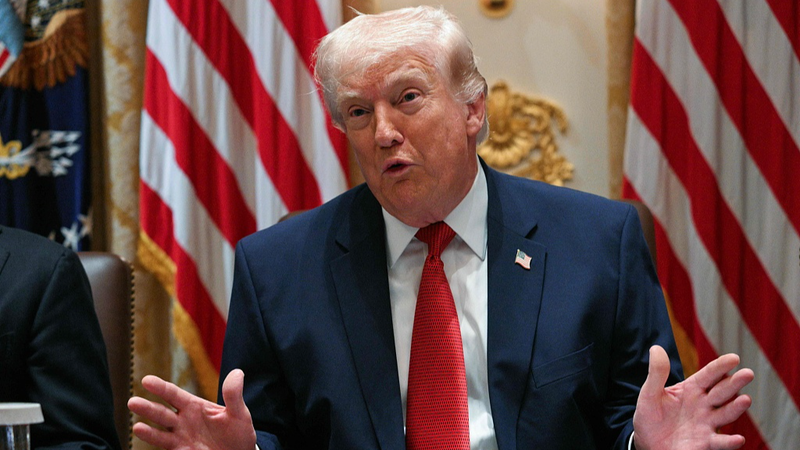
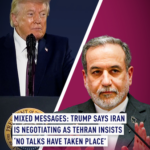
Pakistan has emerged as a key intermediary, with Deputy Prime Minister Mohammad Ishaq Dar confirming review of a 15-point US proposal. Iran counters with five demands including war reparations and recognition of its Strait of Hormuz sovereignty. US President Donald Trump maintains military pressure will continue until Iran "convincingly" negotiates, despite temporarily suspending strikes on energy facilities until April 6.
Military Calculus Intensifies
Israeli forces report striking over 1,000 Iranian weapons targets, including a Bandar Abbas raid eliminating senior IRGC officials. Iran retaliated with its 82nd "True Promise 4" operation, hitting US bases across Gulf states. Pentagon preparations now include potential ground operations targeting nuclear facilities, while Iran mobilizes one million personnel and threatens to blockade Bab el-Mandeb Strait – a critical chokepoint carrying 5% of global seaborne oil.
Humanitarian and Economic Toll
Casualty figures reveal 23,000 injuries in Iran with over 1,094 fatalities reported in Lebanon. The UN Refugee Agency documents one million displaced persons as regional instability worsens. Energy analysts warn sustained conflict could trigger oil price spikes above $150/barrel, with supply chain disruptions already affecting manufacturing sectors worldwide.
As both nations test the limits of their "fight-and-talk" strategies, the international community watches nervously for signs of breakthrough or catastrophic escalation in this defining geopolitical crisis of 2026.