As tensions between Iran and the U.S.-Israel alliance escalate, the Houthi movement’s potential involvement in the Middle East conflict has raised concerns over global energy security and maritime trade. With Iran threatening to open a new front in the Bab el-Mandeb Strait, analysts warn that Houthi actions could trigger cascading disruptions across critical shipping lanes.
Strategic Restraint or Delayed Action?
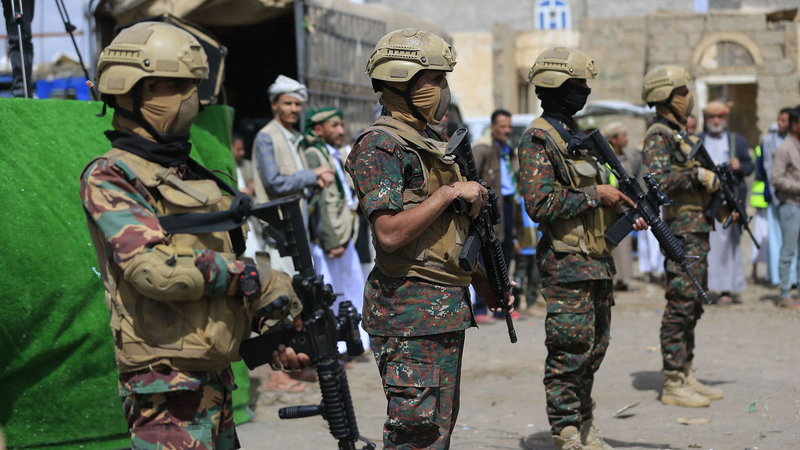
Since the February 28 U.S.-Israel strikes on Iran, the Houthis have maintained an uncharacteristic pause despite pledging “full support” for Tehran. Leader Abdul-Malik al-Houthi reiterated on March 5 and March 26 that the group remains ready to act but has exercised caution to avoid drawing retaliatory strikes on northern Yemen, a region already weakened by years of conflict. Analysts describe this as “strategic restraint,” noting that direct involvement could destabilize the Houthis’ territorial control and public support.
Red Sea Chokepoint at Risk
The Bab el-Mandeb Strait, a vital route for 12% of global trade, faces renewed threats. Houthi political bureau member Mohammed al-Bukhaiti stated on March 20 that the group might block the strait to ships from “aggressor countries,” though Saudi and U.S. efforts to deter such moves are ongoing. Meanwhile, Iran’s restrictions on the Strait of Hormuz have already driven up oil prices, and a parallel Houthi blockade could compound energy market volatility.
Global Repercussions
U.S. President Donald Trump’s March 21 ultimatum to Iran over the Strait of Hormuz underscores the high stakes. A potential U.S. strike on Iran’s Kharg Island, which handles 90% of its oil exports, risks triggering a “second crisis” in the Bab el-Mandeb, according to an Iranian military source. With Trump extending negotiations until April 6, the next two weeks could determine whether the Houthis transition from restraint to retaliation—and how severely global supply chains are impacted.