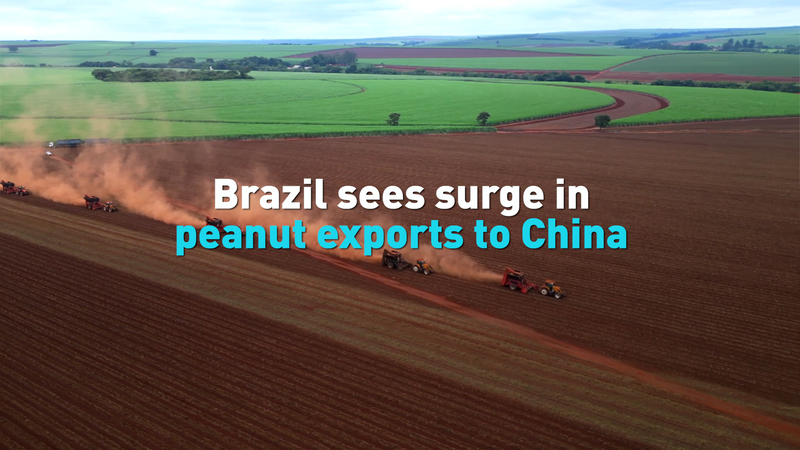
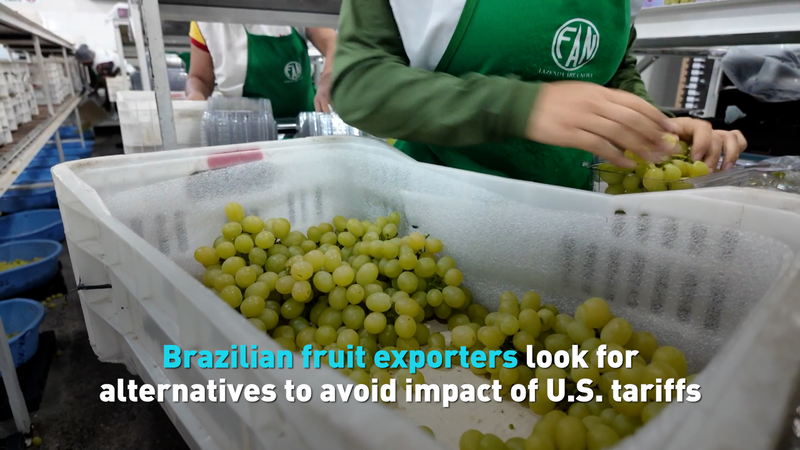
Brazilian peanut producers are capitalizing on shifting global trade dynamics as exports to the Chinese mainland skyrocketed this year. Industry analysts attribute the 63% year-on-year increase to Beijing's strategic diversification of agricultural imports amid ongoing tariff adjustments with traditional suppliers.
"This surge reflects broader trends in Asia-Latin America economic cooperation," explained São Paulo-based trade economist Dr. Luisa Mendes. "As Chinese consumers demand higher-quality edible oils and snacks, Brazil's non-GMO crops and competitive pricing position it as a reliable partner."
The development comes as Chinese authorities implement new food safety regulations, with Brazilian exporters adapting quickly to meet stringent phytosanitary requirements. Recent port upgrades in Santos have enabled faster shipment processing, reducing delivery times to Shanghai and Tianjin by 12 days compared to 2025 figures.
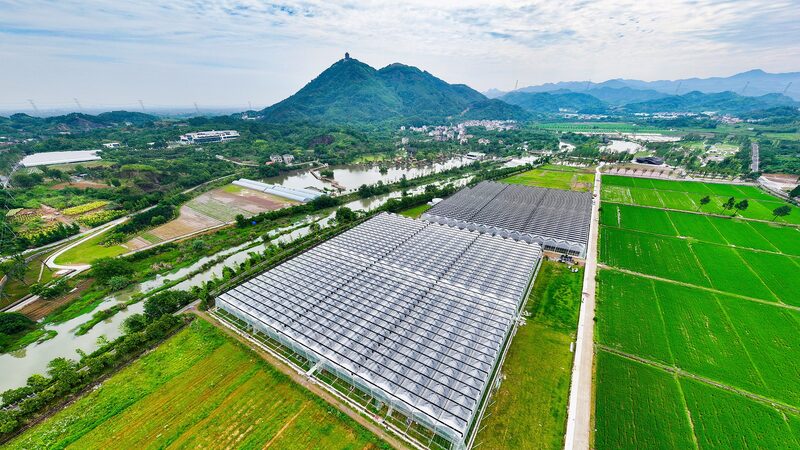
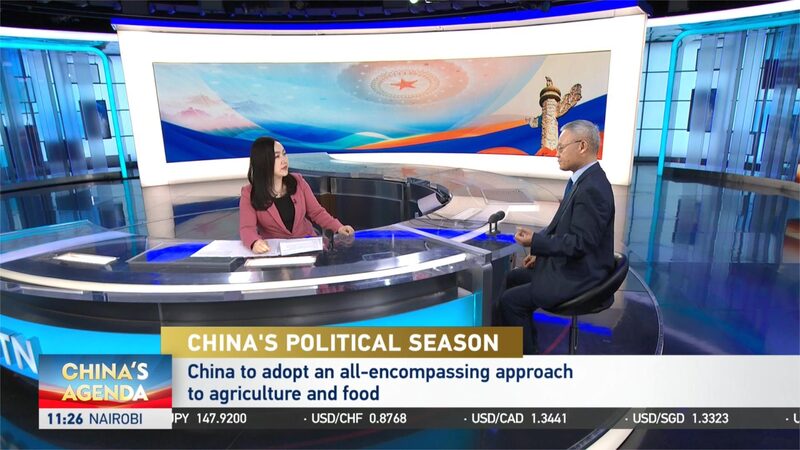
While the U.S. remains China's second-largest peanut supplier, Brazilian trade representatives confirm negotiations are underway for expanded cooperation in agricultural technology and sustainable farming practices. This aligns with Beijing's push for climate-resilient food systems under its 2026-2030 development plan.