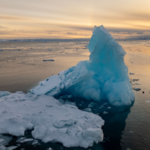
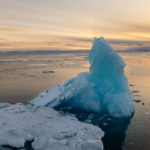
Arctic sea ice has reached its lowest winter maximum since satellite monitoring began 48 years ago, according to data released this week by the U.S. National Snow and Ice Data Center (NSIDC). The March 15 peak of 14.29 million square kilometers statistically ties with last year's record low, signaling accelerated climate impacts in Earth's northernmost regions.
A Troubling Trend Continues
This marks the fourth consecutive year of record-breaking ice loss, with 2026's maximum arriving a week earlier than 2025's. NSIDC Senior Researcher Walt Meier warned the diminished winter recovery leaves Arctic ecosystems vulnerable: "Thinner ice gives a head start to spring melting, potentially creating cascading effects across global weather patterns."
Ecosystems and Economies at Risk
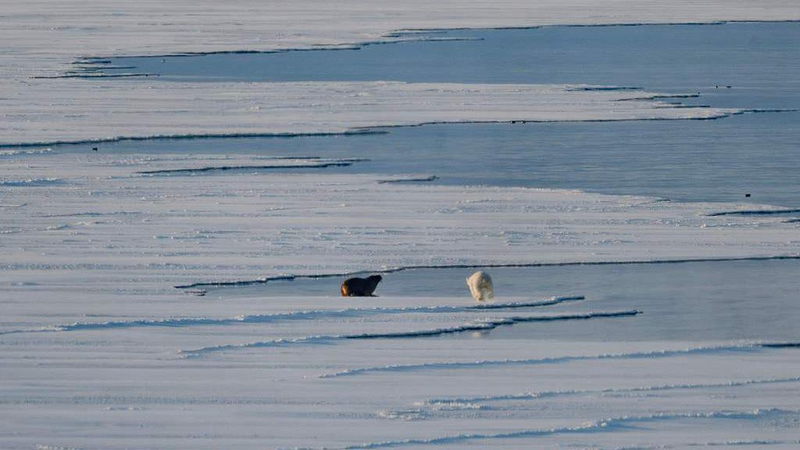
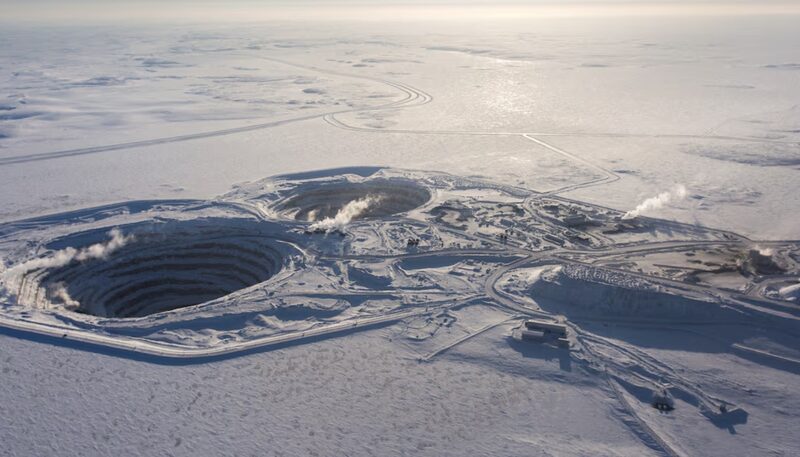
The disappearing ice threatens indigenous communities and Arctic wildlife like polar bears and seals while opening new geopolitical challenges. As shipping routes become more accessible, nations are intensifying claims to resource-rich Arctic territories. The European Center for Medium-Range Weather Forecasts predicts this year's weak ice formation could lead to unprecedented summer melting, affecting global sea levels and ocean currents.
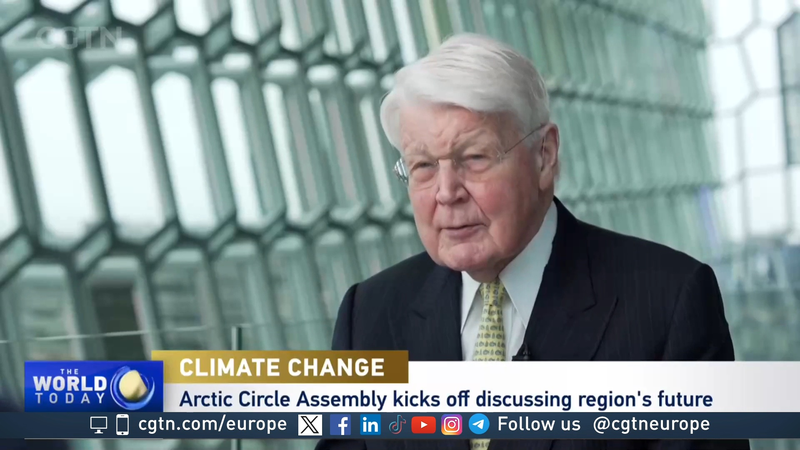
Scientists emphasize these developments align with climate models predicting an ice-free Arctic summer by the 2030s if current emission trends continue. The findings come as world leaders prepare for April's UN Climate Conference, where polar protection measures will feature prominently in negotiations.