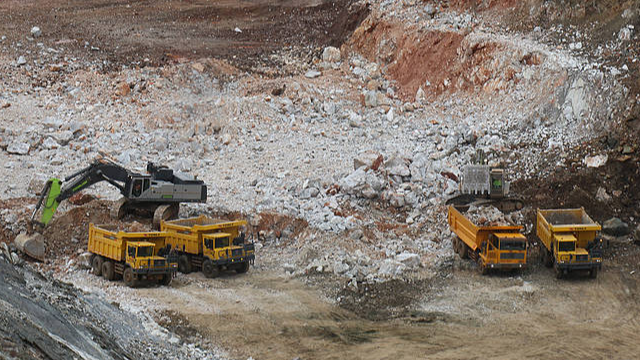
Zimbabwe has intensified efforts to combat mineral smuggling following its controversial ban on raw lithium exports, a policy shift announced on February 26 this year that is reshaping Africa's largest lithium-producing economy. The move, which applies to all unprocessed minerals but specifically targets lithium, aims to retain more value within the country by promoting domestic processing.
Authorities accelerated the ban by 10 months after detecting a surge in export applications from mining companies attempting to bypass the original January 2027 deadline. Mining Minister Polite Kambamura stated the government is implementing border scanning technology and developing a critical minerals policy to address systemic challenges: "Our complex geology allows valuable minerals to be concealed within legal exports, resulting in untaxed revenue losses."
While proponents praise the measure as necessary to curb resource exploitation, critics question its abrupt implementation. Small-scale miners and processing plant workers express concerns about potential job losses, with the Zimbabwe Miners Federation reporting a 40% drop in artisanal mining activity since March began.
The government plans to conduct a nationwide rare earth survey and establish tax frameworks for secondary minerals like tantalum and beryl. These developments come as regional neighbors including Malawi observe Zimbabwe's experiment in resource nationalism, which could influence mineral policies across southern Africa.