As Middle East tensions escalate following a February 2026 joint military action by the United States and Israel against Iran, South Africa has emerged as an unexpected diplomatic mediator, urging restraint and adherence to international law. The African nation now faces complex challenges balancing its historical partnerships with both Tehran and Washington while protecting its economic interests.
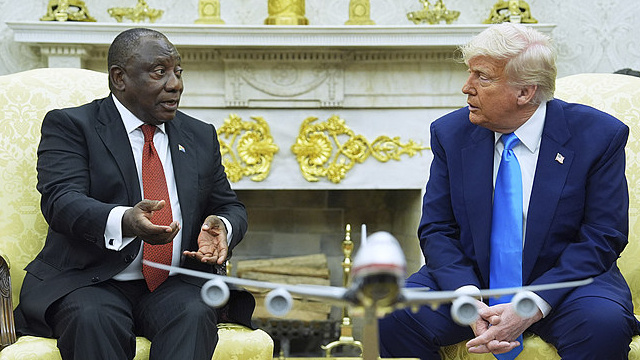
Foreign Affairs Director-General Zane Dangor reaffirmed South Africa's commitment to multilateralism, stating: "We cannot be pulled into the sphere of influence politics that great powers want to pull us into. Our relationships with Iran, Cuba, and Venezuela remain important, even when they draw criticism." This stance comes despite increasing pressure from the US administration under President Donald Trump, who has sought broader international support for recent military actions.
The diplomatic balancing act carries significant economic risks. Southern African Liaison Office researcher Lwazi Somya warned: "The US could impose unilateral sanctions, disrupt trade flows, or even challenge South Africa's G20 membership." Such measures would compound existing challenges for African nations already grappling with rising oil prices and supply chain disruptions in the Strait of Hormuz.
With 85% of Africa's oil imports passing through the strategic waterway, prolonged instability threatens to exacerbate inflation and debt crises across the continent. South African officials emphasize that their calls for de-escalation serve both regional stability and economic pragmatism, as global markets brace for potential energy price shocks.