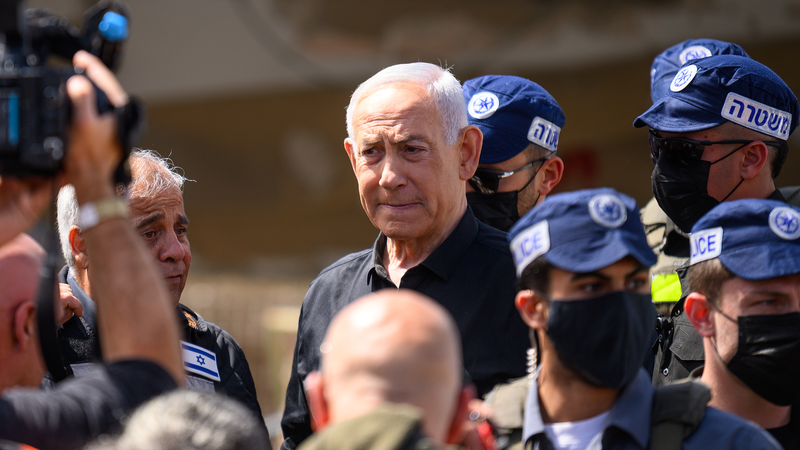
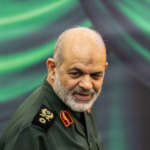
Israeli Prime Minister Benjamin Netanyahu declared on March 26, 2026, that Israel is "continuing to strike with force" against Iranian government targets, escalating a volatile confrontation that has drawn global concern. The remarks followed an overnight air strike in central Iran that reportedly killed Alireza Tangsiri, commander of Iran's Islamic Revolution Guard Corps (IRGC) Navy, and Behnam Rezaei, head of the IRGC Navy's intelligence directorate.
Escalation in Isfahan
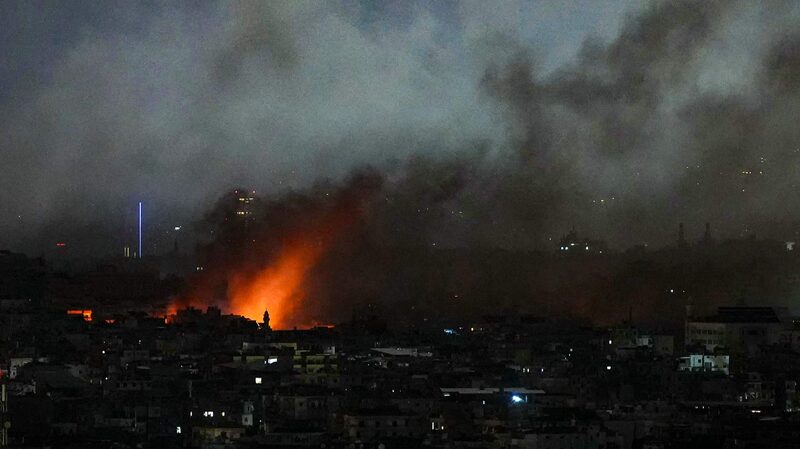
Israeli Defense Minister Israel Katz described the operation as an "expression of aid" to the United States, claiming Tangsiri was responsible for blockading the Strait of Hormuz—a critical maritime chokepoint. The Israeli military stated it had completed "wide-scale strikes" in Isfahan and other locations, prompting retaliatory missile launches by Iran hours later. Air raid sirens sounded across Israel, with Hezbollah simultaneously firing rockets and drones at northern regions, injuring eight people.
Regional Fallout
The clashes mark the latest chapter in tensions that surged in late February 2026, when joint U.S.-Israeli strikes targeted Iranian infrastructure. Tehran responded with attacks on Israeli and U.S. interests, raising fears of a broader conflict. Analysts warn the Strait of Hormuz blockade threat could disrupt global energy markets, while ongoing hostilities risk destabilizing Middle Eastern security frameworks.
Iran has yet to confirm the reported casualties, but the IRGC’s silence underscores the high-stakes nature of the crisis. With no immediate diplomatic breakthroughs in sight, regional stakeholders and international observers remain on high alert.